China Top 10 Pressure Release Valve Manufacturers

Choosing a reliable pressure release valve manufacturer requires more than comparing catalog prices. This guide examines ten leading Chinese suppliers through practical purchasing criteria. We consider product range, engineering capability, quality control, testing equipment, and export experience. These factors matter in boilers, storage tanks, pipelines, and process equipment. A dependable valve should open at the specified pressure and reseat without damaging the system. Small details matter. Material certificates, calibration records, surface finish, and traceable serial numbers can reveal a manufacturer’s discipline. Field experience also shows why communication matters. Clear drawings and responsive technical support often prevent costly installation errors.

The manufacturers discussed here represent different strengths, including custom design, large-scale production, and specialized industrial applications. Their capabilities may vary by model, pressure class, connection type, and certification scope. Buyers should verify current test reports, factory audits, and applicable standards before placing an order. Public information is not always complete. That is worth remembering. A company may appear strong online but offer limited support after delivery. Likewise, a smaller supplier may provide excellent engineering attention. This overview uses a balanced perspective based on documented capabilities, product evidence, and realistic procurement concerns. It is not a permanent ranking. Market conditions, equipment investments, and certification status can change. Readers should match each manufacturer with their operating temperature, pressure range, media, and maintenance requirements. Careful comparison creates safer decisions and more reliable long-term performance.
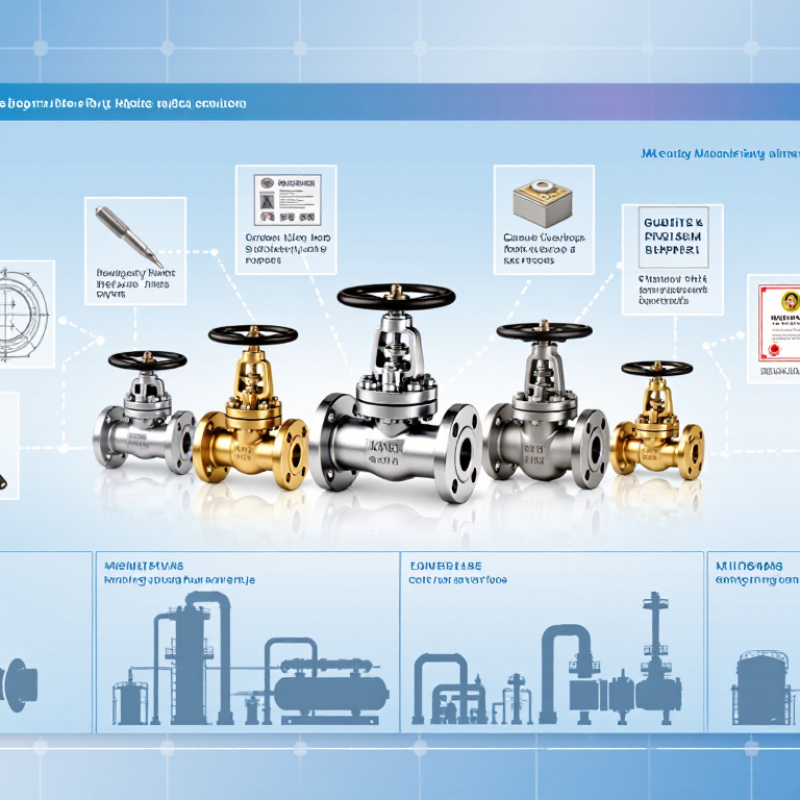
China Top 10 Pressure Release Valve Manufacturers

How Pressure Release Valves Work and Where They Are Used

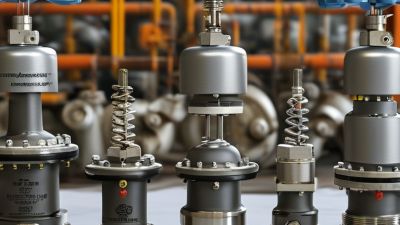
A pressure release valve protects equipment by opening when pressure rises above a preset limit. In a spring-loaded design, system pressure pushes against a sealed disc. When the force overcomes the spring, the valve opens and directs fluid or gas to a safe discharge point. As pressure falls, the spring helps the disc close again. The opening and closing behavior depends on the valve design and operating conditions. Small details matter.

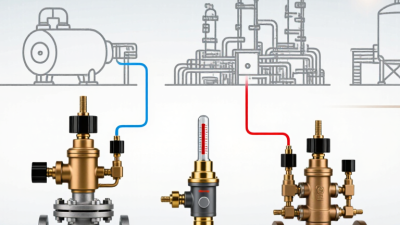
These valves are used on boilers, compressed-air receivers, pumps, storage tanks, and process pipelines. For example, a receiver may need protection if a control switch fails and its compressor keeps running. Correct sizing, set pressure, and discharge routing are essential; a valve that is blocked, undersized, or poorly matched may not protect the equipment as intended. Real systems are less tidy than drawings suggest. Vibration, corrosion, and deposits can affect performance, so inspection and testing should follow the equipment maker’s guidance and qualified site procedures.

Tips: Check the valve’s pressure rating against the protected equipment, and keep its outlet unobstructed. Record inspection dates and any signs of leakage or damage. Never adjust a set pressure casually; the right setting depends on the system and its approved design.
China’s Pressure Release Valve Industry at a Glance

China Top 10 Pressure Release Valve Manufacturers

China’s Pressure Release Valve Industry at a Glance

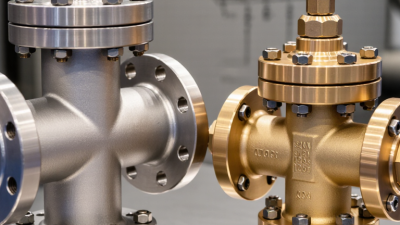
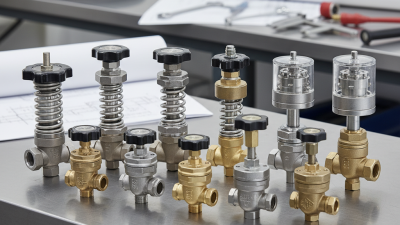
China’s pressure release valve industry serves power generation, chemical processing, water treatment, and industrial manufacturing. Its strength comes from broad machining capacity and flexible production lines. Many manufacturers produce spring-loaded, pilot-operated, and vacuum relief designs for different operating conditions.

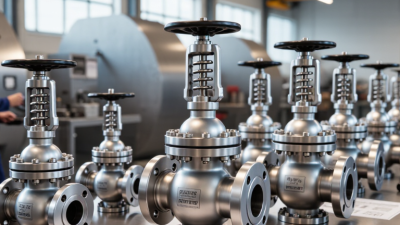
Factory visits often reveal the real difference. A serious facility keeps calibration records beside the test bench. Technicians check opening pressure, reseating performance, material certificates, and surface quality. Stainless steel bodies may be tested in clean areas, while larger cast components require careful dimensional inspection. Small details matter. A poorly documented adjustment can create uncertainty during commissioning.

The top ten manufacturers are not identical in capability. Some focus on standard valves, while others handle engineered solutions for high temperature or corrosive media. Buyers should examine testing equipment, traceability, after-sales response, and export experience. Compliance with applicable pressure equipment standards also needs independent verification. Published specifications can look impressive. They are not always directly comparable. This is where engineering judgment becomes important. Flow capacity, set pressure tolerance, connection type, and maintenance access should match the actual system, not only the catalog description. In practice, delivery speed may also influence selection, especially when replacement valves are needed during a shutdown. The industry is developing quickly, but quality consistency still deserves close attention.

China Top 10 Pressure Release Valve Manufacturers - China’s Pressure Release Valve Industry at a Glance

An overview of ten common pressure-relief valve product segments supplied by manufacturers in China. This is a product and standards snapshot, not a company ranking.

Product Segment Typical Function Common Applications Common Design or Material Considerations Relevant Standards and References
Direct spring-loaded safety valves Open automatically when system pressure reaches the set pressure and reseat as pressure falls. Process piping, pressure vessels, and general industrial equipment. Set pressure, back pressure, temperature, fluid compatibility, and outlet piping are key selection factors. GB/T 12243; ASME Boiler and Pressure Vessel Code, Section VIII, where applicable; ISO 4126 series.
Pilot-operated safety valves Use a pilot mechanism to control the main valve and support operation in selected high-pressure or variable-pressure services. Large process systems, gas services, and applications requiring controlled opening characteristics. Pilot configuration, sensing-line arrangement, back pressure, and fluid cleanliness require review. ASME Section VIII and ISO 4126 series, where applicable; confirm the governing code for the installation.
Balanced-bellows safety valves Reduce the effect of variable back pressure on valve performance through a balancing element. Process systems with superimposed or built-up back pressure, including selected chemical services. Bellows material, corrosion compatibility, temperature limits, and any bellows-failure indication should be considered. GB/T 12243; API 520 and API 526 for applicable design and installation practices.
Boiler safety valves Protect steam boilers and related equipment from pressure exceeding the permitted limit. Industrial boilers, steam systems, and power-generation equipment. Steam service, discharge piping, capacity certification, and applicable boiler regulations are important. Applicable Chinese boiler safety regulations and product standards; ASME Section I may apply to relevant designs.
Thermal relief valves Relieve pressure caused by liquid expansion in a blocked-in section of piping or equipment. Liquid-filled pipelines, heat exchangers, and isolated process sections. Relief capacity is generally tied to the credible thermal expansion case; materials must suit the process fluid. Applicable pressure equipment and piping codes; API 520 may be relevant to relief-system engineering.
Pressure-vacuum relief valves for tanks Limit excessive positive or negative pressure in low-pressure storage tanks. Atmospheric and low-pressure tanks storing liquids or vapors. Set pressure and vacuum settings, tank breathing requirements, vapor service, and weather protection are considered. API 2000 is a commonly used reference for venting atmospheric and low-pressure storage tanks.
High-capacity process relief valves Provide pressure protection for process equipment under defined relieving scenarios. Refineries, petrochemical plants, chemical facilities, and gas-processing systems. Valve sizing depends on the relief scenario, fluid properties, allowable accumulation, and inlet and outlet pressure losses. API 520, API 521, API 526, and API 527 are commonly referenced in applicable process-industry projects.
Corrosive-service relief valves Protect systems handling fluids that may attack standard valve body, trim, or sealing materials. Chemical processing, water treatment, and other services with corrosive media. Material selection must account for the specific fluid, concentration, temperature, and possible corrosion mechanisms. Applicable pressure-relief standards depend on valve type and installation; material compatibility must be separately verified.
Gas-service relief valves Discharge gas when pressure exceeds the specified set pressure and reseat according to the valve design. Gas distribution, compressors, and industrial gas systems. Gas properties, compressibility, discharge routing, noise, and back pressure can affect sizing and selection. API 520 and API 521 are commonly used engineering references for applicable process installations.
Cryogenic-service relief valves Protect low-temperature equipment and piping against overpressure, including pressure rise from heat ingress. Liquefied gas storage and transfer systems, and cryogenic process equipment. Low-temperature material suitability, thermal contraction, insulation, and discharge routing require attention. Applicable pressure equipment codes and project specifications; verify temperature ratings and certification for the intended service.

Note: Standards and design practices vary by product type, market, and project. The references above are indicative, not a claim that every product or installation complies with each listed standard. Confirm the applicable code, certification, set pressure, capacity, materials, and test requirements with the manufacturer and project engineer.

Key Criteria for Evaluating Chinese Valve Manufacturers

China Top 10 Pressure Release Valve Manufacturers

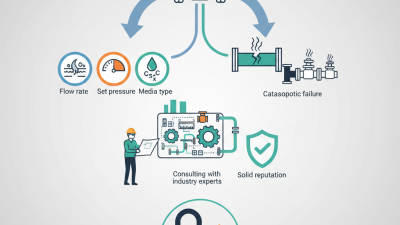
Evaluating Chinese pressure release valve manufacturers requires more than comparing prices. Grand View Research valued the global pressure relief valve market at about USD 4.65 billion in 2023. This growth increases pressure on suppliers to prove consistency, not just production capacity. Request ISO 9001 records, material certificates, and calibration results for every critical test instrument. A reliable factory should trace each valve from steel heat number to final inspection.

Technical compliance must be visible. Check conformity with ISO 4126, ASME Section VIII, and relevant API requirements for the intended service. Ask for set-pressure accuracy, blowdown data, leakage results, and temperature limits. The valve should open cleanly at the specified pressure, like a controlled release rather than a sudden metal cough. Manufacturing depth also matters. Inspect machining tolerances, spring testing, welding controls, and surface treatment procedures. Remote video audits can expose gaps, but they cannot replace an independent inspection.

MarketsandMarkets expects industrial valve demand to keep expanding through the decade, driven by energy, chemical, and water projects. That forecast supports careful supplier screening. Evaluate response time, spare-part availability, engineering support, and export documentation. A low quotation may hide weak testing or expensive replacement delays. I would also request two recent project references, although references can be selective. One overlooked detail is after-sales feedback from operators, especially where corrosion, vibration, or frequent pressure cycling occurs.

China Top 10 Pressure Release Valve Manufacturers

Key Criteria for Evaluating Chinese Valve Manufacturers

This non-company-specific evaluation framework uses a 100-point weighting model for procurement research. Product quality and compliance receive the highest weight, followed by pressure and temperature performance, materials, testing traceability, delivery capability, after-sales support, and customization capacity. The weighting is designed for comparing manufacturers consistently and is not a market-share ranking.

Profiles of 10 Leading Pressure Release Valve Manufacturers in China

China’s pressure release valve sector combines foundry expertise, CNC machining, and export-focused quality control. MarketsandMarkets forecasts the global pressure relief valve market to grow at about 5% annually through 2028. This supports China’s expanding role in chemical, power, oil, and water infrastructure.

The ten leading manufacturers profiled here show different strengths. Manufacturer One focuses on compact steam valves. Manufacturer Two supplies stainless-steel units for corrosive media. Manufacturer Three develops high-temperature solutions for thermal plants. Manufacturer Four serves chemical processing lines with stronger sealing systems. Manufacturer Five emphasizes API-tested oil and gas equipment. Manufacturer Six produces custom valves for pressure vessels. Manufacturer Seven targets municipal water projects. Manufacturer Eight offers cryogenic designs for low-temperature service. Manufacturer Nine combines cast-steel production with rapid delivery. Manufacturer Ten focuses on automated testing and export documentation.

Their capabilities vary, and “leading” should not mean universally superior. Application evidence matters more than factory size.

Tips: Check set pressure, blowdown, back pressure, material certificates, and relief capacity before purchasing. Ask for test records and maintenance guidance. ISO 9001 certification is useful, but it does not replace product-level inspection. In my experience, overlooked details often cause trouble: a valve may fit the pipe yet fail under real operating temperature. Reports from the International Organization for Standardization and API emphasize documented testing, traceability, and correct installation. Buyers should also review service history, response time, and local technical support. Chinese manufacturing is improving quickly, but independent verification remains necessary.

Comparing Manufacturers by Products, Certifications, and Applications

China’s top 10 pressure relief valve manufacturers should be compared through evidence, not factory size alone. Products may include spring-loaded safety valves, pilot-operated valves, rupture-disc combinations, and thermal relief valves. Each design fits a different risk profile.

Spring-loaded units suit boilers and pipelines.

Pilot-operated models handle higher pressures and unstable operating conditions.

Thermal valves protect blocked liquid sections.

Small detail, big consequence.

Industry forecasts show steady demand. Fortune Business Insights reported that the global industrial valves market was valued at about USD 78 billion in 2023, with continued growth expected through 2032. Research and Markets also identifies energy, chemical processing, and water treatment as major valve-use sectors.

These figures explain why application experience matters when comparing Chinese suppliers. A manufacturer serving steam plants may not perform equally well in hydrogen, cryogenic, or corrosive service.

Certification evidence deserves close inspection. Serious candidates should provide testing aligned with ISO 4126, material traceability under relevant ASTM standards, and pressure equipment compliance where required. API 526 dimensions may matter for refinery projects, while ASME Section VIII certification supports vessel protection applications.

However, certificates alone prove little. Buyers should review set-pressure tests, blowdown records, leakage results, and field references. A polished document can hide weak process control. I would also question rankings based only on export volume; after-sales response, spare-part availability, and calibration discipline often decide whether a valve protects equipment when pressure rises.