2026 Best 2 Pressure Relief Valves for Global Buyers?
Choosing the right 2 pressure relief valve options in 2026 requires more than comparing prices or advertised flow rates. Global buyers must examine pressure settings, connection sizes, materials, temperature limits, and documented test results. A valve protecting a steam line may not suit a compressed-air receiver or a chemical process. Small differences matter. A stainless-steel body, for example, can improve corrosion resistance, but it may not solve every compatibility problem.
This guide evaluates two practical pressure relief valve choices for international purchasing teams. The comparison considers operating performance, maintenance access, certification records, supplier transparency, and long-term reliability. It also reflects real purchasing concerns, including inconsistent product descriptions, unclear adjustment ranges, and replacement parts that are difficult to source. These details can delay installation and increase total ownership costs.
Evidence matters.
The selected products should be reviewed against recognized industry requirements and the buyer’s local installation rules. Certification names alone are not enough. Buyers should request current datasheets, calibration information, material specifications, and inspection records before approving an order. Product suitability must also be confirmed by a qualified engineer familiar with the system.
No valve is perfect. A model with excellent pressure stability may have a higher purchase cost or slower delivery. Another may offer easy maintenance but fewer connection options. That trade-off deserves honest attention. By comparing these strengths and limitations, global buyers can make a safer, more informed decision for 2026 applications.
What Pressure Relief Valves Do and Why Global Buyers Need Them
2026 Best 2 Pressure Relief Valves for Global Buyers?
Pressure relief valves protect equipment when internal pressure rises above a safe setting. They open automatically and discharge fluid through a controlled outlet. This action helps prevent vessel damage, production loss, and dangerous pressure surges. In practical commissioning work, a valve is only useful when its set pressure matches the system design. A poor match can create repeated leaks or unsafe operation.
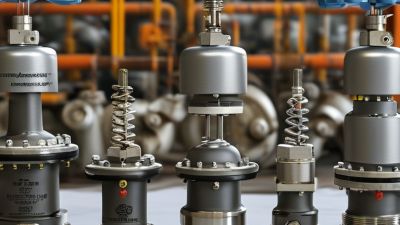
Two common choices serve global buyers. Spring-loaded valves are compact, easier to maintain, and suitable for many standard systems. Pilot-operated valves offer tighter control in larger or more demanding installations. They can perform well when pressure changes frequently. However, they need cleaner fluid and more careful maintenance. Simpler is not always weaker.
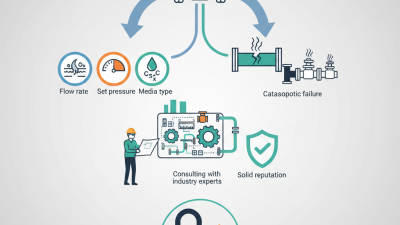
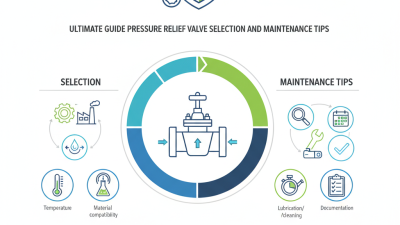
Selection requires more than comparing price. Buyers should confirm pressure range, temperature, fluid type, connection size, discharge capacity, and material compatibility. Local inspection rules and certification requirements also matter. Ask for test records, calibration details, installation guidance, and replacement-part availability. These documents support traceability across different suppliers and markets.
Field conditions often expose overlooked problems. A valve may pass a factory test but fail after poor installation. Blocked discharge lines, vibration, or incorrect orientation can reduce protection. I would also question extremely low-cost offers. They may look efficient on paper, yet maintenance delays can cost more later. No valve is perfect, and every selection deserves a final engineering review.
2026 Guide: Two Pressure Relief Valve Designs for Global Buyers
Pressure relief valves protect vessels, pipelines, and process systems by automatically releasing excess pressure. The chart compares typical industrial set-pressure ranges for two widely used designs. Actual limits depend on the valve size, material, temperature, fluid, backpressure, and applicable certification.
Spring-loaded valves are commonly selected for straightforward, cost-sensitive applications. Pilot-operated valves are often preferred for higher-pressure systems, large flow capacity, or applications requiring improved stability under changing operating conditions. Buyers should verify sizing and certification against ASME Section VIII, API 520/API 526/API 527, or ISO 4126 as applicable.
How to Compare the Two Best Pressure Relief Valve Types in 2026
For global buyers, the two leading pressure relief valve types are spring-loaded and pilot-operated designs. Comparing them requires more than checking purchase price. Spring-loaded valves use a direct mechanical spring, making them compact, familiar, and easier to maintain. They suit moderate pressure ranges and services where fast, simple response matters. Pilot-operated valves use system pressure to control the main valve. They usually provide tighter sealing and better capacity in high-pressure applications.
MarketsandMarkets’ 2024 Industrial Valves Market report projects approximately 5% annual growth through 2029. This expansion reflects stronger demand from energy, chemical processing, water treatment, and manufacturing projects. However, market growth does not make every valve suitable. A buyer should verify set pressure, relieving capacity, temperature, backpressure, fluid properties, and local certification requirements. API 520 and API 526 remain useful references for sizing and dimensional selection.
Spring-loaded valves can tolerate simpler operating conditions, but vibration may affect their setting over time. Pilot-operated valves often perform better with high capacity and variable backpressure, yet contaminated pilot lines can cause trouble. That detail is easy to miss. In field inspections, many failures involve installation, blocked sensing lines, or poor maintenance rather than the basic valve design. My practical preference is cautious: choose spring-loaded units for straightforward protection, and pilot-operated units when capacity and leakage control justify their added complexity. Prices alone can mislead.