How to Choose the Right Pressure Relief Valve for Your Needs?
Choosing the right pressure relief valve can be challenging. Each application has unique requirements that must be carefully considered. A pressure relief valve is critical for safety and efficiency in various systems. It prevents excess pressure that could lead to catastrophic failure.
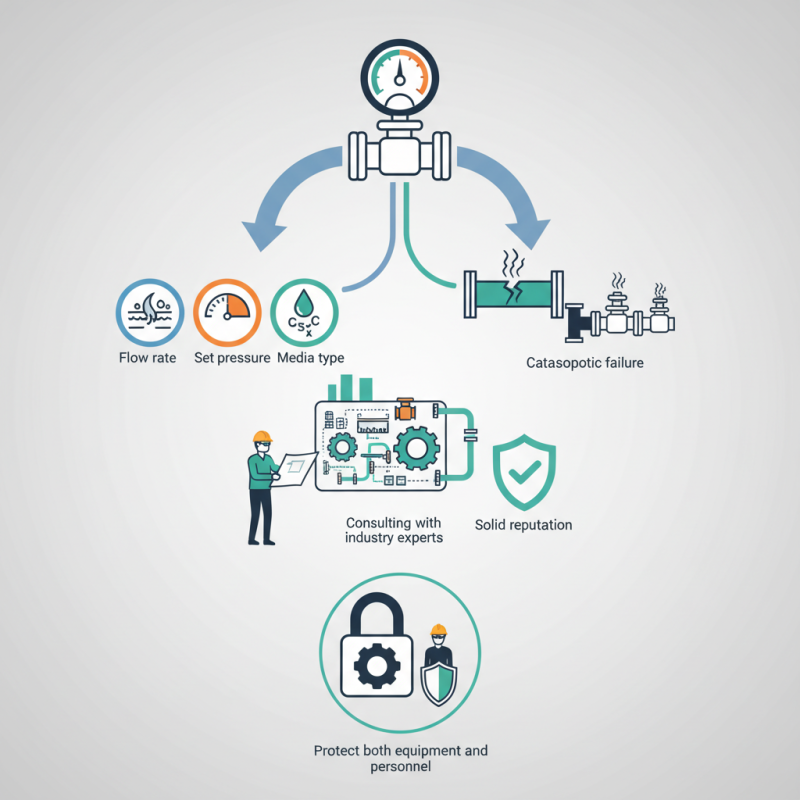
Understanding the specific needs of your system is essential. Consider factors like flow rate, set pressure, and media type. The wrong valve can result in significant issues. In some cases, oversizing or undersizing a valve may cause operational failures.
Consulting with industry experts can provide valuable insights. It’s essential to rely on manufacturers with a solid reputation. The right valve choice can enhance system reliability and safety. Take the time to reflect on your options, as the correct selection will ultimately protect both equipment and personnel.
Understanding the Function of Pressure Relief Valves
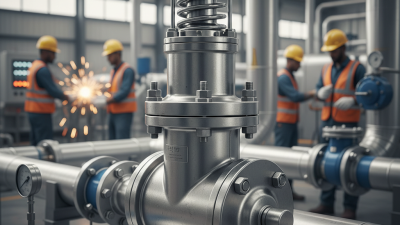
Pressure relief valves (PRVs) play a critical role in industrial applications. They are designed to protect sensitive systems from exceeding safe pressure limits. By automatically venting pressure, PRVs prevent potential equipment damage or catastrophic failures.
According to the American Society of Mechanical Engineers (ASME), improper sizing and selection lead to 20% of all valve failures in the field.
Understanding the functions of PRVs is vital in choosing the correct model. PRVs operate using a spring mechanism, which opens when the set pressure is reached. The right valve must match the system pressure and flow rate specifications. Data from the International Journal of Pressure Vessels and Piping highlights that 25% of accidents are linked to pressure relief system failures, underscoring the importance of proper selection.
Selecting a PRV can be complex. Factors such as fluid type and environmental conditions are crucial. Some engineers overlook corrosion resistance when speculating about PRV longevity. This oversight can lead to premature failures. Systems operating in severe conditions should prioritize durable materials. A study indicates that nearly 40% of PRVs require replacement due to environmental wear. Proper research and understanding are necessary to enhance safety and reliability.
Types of Pressure Relief Valves and Their Applications
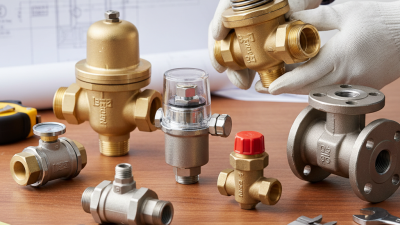
When selecting a pressure relief valve, understanding the different types is crucial. There are various designs, each serving distinct applications. The most common types include spring-loaded valves, pilot-operated valves, and rupture disks. Spring-loaded valves are often used in smaller systems. They provide reliable pressure relief in a compact size. Pilot-operated valves, on the other hand, are suitable for high-pressure environments. They utilize system pressure to control the main valve, allowing for precise regulation.
Rupture disks offer a unique solution for specific applications. They act as a one-time use safety device, bursting at a predetermined pressure. Their design is simple and effective. However, they require careful monitoring, as once activated, they need replacement. Each type of valve has its own advantages and limitations. Choosing the right valve involves assessing your system's requirements. Consider factors like pressure range, flow rate, and installation space. Often, the perfect choice isn't clear-cut, and multiple factors may influence your decision.
Users may find it challenging to match a valve with their exact needs. There’s no one-size-fits-all solution. It can be confusing to navigate through available options. Regularly reviewing your system’s performance can help identify the right fit over time. Observing how different valves perform under various conditions is essential. This hands-on experience aids in making informed decisions for future installations.
Types of Pressure Relief Valves and Their Applications
This chart illustrates the different types of pressure relief valves and their typical applications, helping you to choose the right valve for your needs.
Factors to Consider When Selecting a Pressure Relief Valve
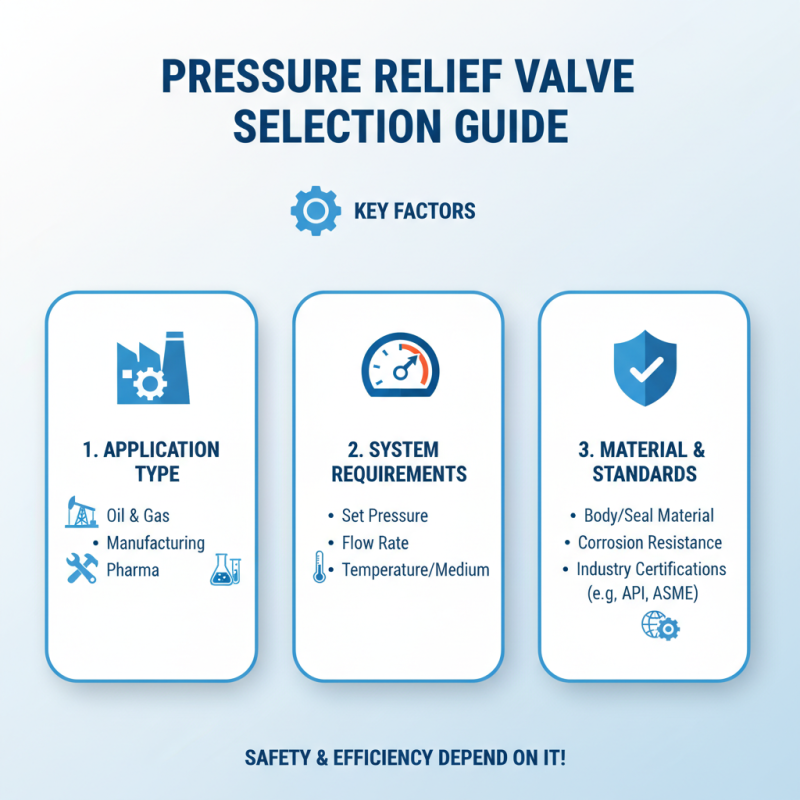
Choosing the right pressure relief valve is crucial for safety and efficiency. Several factors play a role in making this decision. Start with the application type. Valves differ based on industries, such as oil and gas, manufacturing, or pharmaceuticals. Each sector has unique demands.
Materials are also significant. Corrosion-resistant materials may be necessary for harsh environments. Consider the temperature and pressure ratings of your system. These specs will guide your selection. You want a valve that can handle your specific conditions effectively.
Tip: Always consult with an expert. They can provide insights specific to your situation. Don't hesitate to ask for recommendations based on experience. Overlook smaller details and you might face big issues later.
Take time to review installation requirements. Some valves need more support and maintenance than others. Think about accessibility for repairs, if necessary. Also, analyze potential failure modes. Reflection on these factors is vital for long-term performance.
Calculating the Required Relief Capacity for Your System
Calculating the required relief capacity for your system is crucial. It ensures safety and efficiency. Start by understanding the system’s operating conditions. Identify the maximum allowable working pressure. This is the highest pressure your system can safely handle. Next, determine the design flow rate. This represents the maximum expected flow under normal operation.
To calculate the relief capacity, you'll need to consider factors like fluid properties and system configuration. For gas systems, use the ideal gas law. For liquids, focus on the density and the required flow rate. Remember, if your calculations show potential inadequacies, it’s essential to reassess your valve choice.
Many overlook the impact of temperature fluctuations. High temperatures can alter gas density and affect flow rates. Regularly review your calculations. Don’t hesitate to consult experts if needed. The goal is to avoid potential failures and ensure that your system operates reliably under varying conditions.
Mistakes in these calculations can lead to serious consequences. So, careful monitoring and periodic re-evaluation are key.
Best Practices for Installation and Maintenance of Pressure Relief Valves
Proper installation and maintenance of pressure relief valves (PRVs) can significantly impact safety and efficiency in various systems. According to a report by the American Society of Mechanical Engineers, improper maintenance leads to 60% of PRV failures. It is crucial to inspect and test these valves regularly. Inspections should be performed at least twice a year, focusing on wear, corrosion, and functionality.
When installing a PRV, ensure it is positioned correctly. The valve should be mounted upright and away from heat sources. Use appropriate piping to avoid restriction at the inlet. The National Board of Boiler and Pressure Vessel Inspectors recommends that sudden temperature changes be mitigated. This practice helps to prevent valve chatter, which can cause premature wear.
Documentation is often overlooked in maintenance routines. Keeping detailed records of inspections, repairs, and calibration dates enhances reliability. Regular training for staff on operational protocols can lead to better overall performance and response to issues. The importance of clear communication cannot be stressed enough. Misunderstandings can lead to mishaps. Reflecting on these aspects can guide continuous improvement in your PRV management strategies.
How to Choose the Right Pressure Relief Valve for Your Needs? - Best Practices for Installation and Maintenance of Pressure Relief Valves
| Criteria |
Description |
Best Practices |
| Type of Valve |
Select between spring-loaded, pilot-operated, and other types based on application. |
Assess the specific pressure and flow rate requirements of your system. |
| Set Pressure |
Ensure the pressure is set according to the system's safety standards. |
Regularly calibrate the valve to maintain set pressure accuracy. |
| Material Compatibility |
Choose materials that match the fluid type (corrosive, non-corrosive). |
Consult material compatibility charts to avoid degradation. |
| Size of Valve |
Select the proper size to ensure flow capacity and prevent blockages. |
Refer to sizing guides and consider future system upgrades. |
| Installation Location |
Install in accessible locations for maintenance and operation checks. |
Avoid heat sources or positions that may affect valve operation. |
| Maintenance Schedule |
Routine inspections and maintenance to ensure reliability and safety. |
Set a regular maintenance schedule depending on usage and environment. |
 North American Safety Valve Industries, Inc.