How to Choose the Right Water Pressure Relief Valve for Your Needs?
Choosing the right water pressure relief valve can seem daunting. With various options available, making an informed decision is crucial. These valves play a vital role in regulating water pressure, protecting plumbing systems, and preventing damage. They ensure safety and enhance the lifespan of your appliances.
Understanding your specific needs is key. Factors like flow rate, pressure settings, and installation type should be considered. It's not just about picking any valve off the shelf. Knowing your water system's specifications can save you money and prevent frustration. A poorly chosen valve might lead to leaks or system failures.
Research is essential. Consult experts or reputable sources to gather insights. Not all valves are created equal. A reliable water pressure relief valve must meet industry standards. Investing time in understanding your options will lead to a better choice that fits your requirements.
Understanding the Purpose of Water Pressure Relief Valves
Water pressure relief valves play a crucial role in maintaining a safe plumbing system. They are designed to prevent excessive pressure from damaging pipes and fixtures. According to industry studies, approximately 20% of plumbing issues stem from improper pressure regulation. Installing a reliable valve can be the difference between a smooth operation and costly repairs.
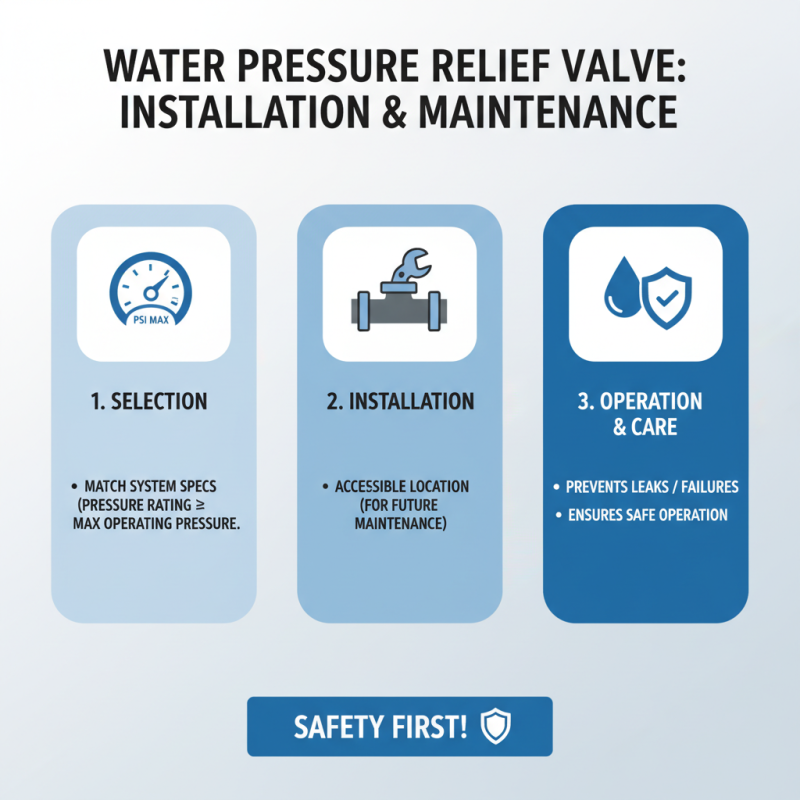
When selecting a water pressure relief valve, consider its specifications. Look for materials that can withstand your local conditions. Brass and stainless steel options often provide better longevity. Check the pressure rating to match your home’s requirements. This information usually falls between 50 to 150 PSI in most residential setups. A mismatch can lead to leaks or burst pipes.
Tip: Regular maintenance can extend the life of your valve. Inspect it annually for signs of corrosion or wear. Address any issues promptly to avoid larger problems later. Also, assess the pressure in your home periodically. Ideal residential pressure is typically between 40 to 60 PSI. Monitoring this can help you decide when a valve replacement is necessary.
Keep in mind that not all valves are created equal. Some may have less effective features than advertised. Take time to research the options available.
Identifying Your System's Pressure Requirements
When selecting a water pressure relief valve, understanding your system's pressure requirements is crucial. Standard residential water systems typically operate between 40 to 80 psi. However, some higher-demand systems may require pressures above this range. Identifying the correct pressure range can help prevent system failures and ensure optimal performance.
A study from the American Society of Mechanical Engineers highlights that improperly set pressure can lead to serious damage. More than 15% of water systems experience issues due to excess pressure. Occasional inspections and adjustments can help maintain the required pressure, mitigating risks. Data indicates that about 25% of homes exceed safe pressure levels, emphasizing the need for proper monitoring.
It's essential to evaluate your existing system's pressure. Using a pressure gauge will accurately help you assess your needs. For instance, fluctuating pressure may indicate a need for a larger or adjustable relief valve. Engaging with a knowledgeable technician can clarify which specifications to consider. Miscalculating these requirements can result in ineffective solutions, so thorough assessment is vital.
Water Pressure Relief Valve Selection: Pressure Requirements
This chart displays the recommended pressure settings for different types of systems based on common residential and commercial requirements. Understanding the pressure needs of your system can help you choose the appropriate water pressure relief valve.
Evaluating Different Types of Pressure Relief Valves
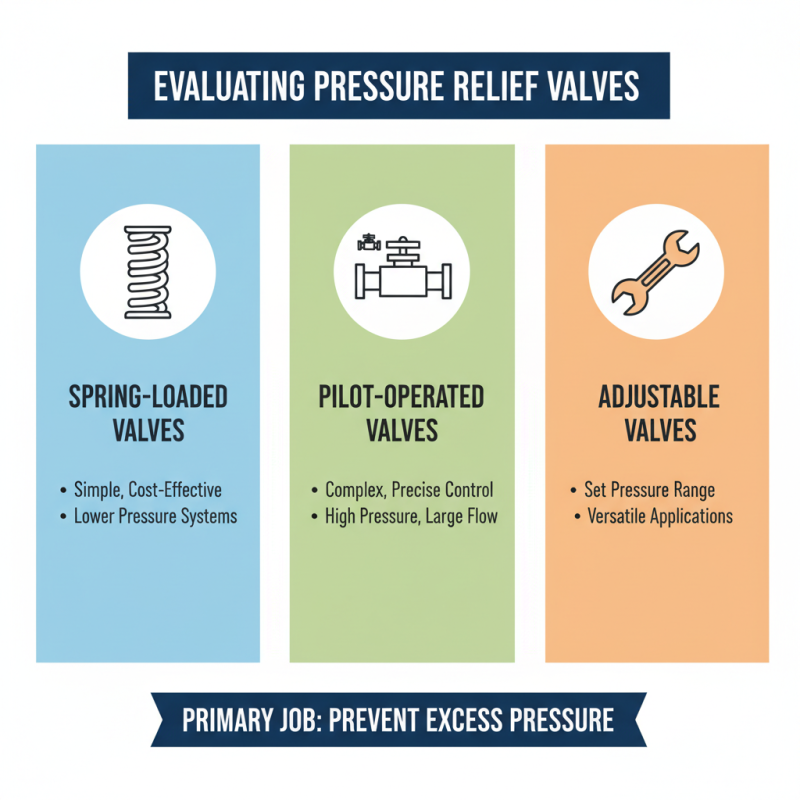
When evaluating different types of pressure relief valves, it’s crucial to understand their specific functions. A valve’s primary job is to prevent excess pressure buildup in a system. You might find options like spring-loaded, pilot-operated, or adjustable valves. Each type serves distinct applications. For example, spring-loaded valves tend to be simpler and cost-effective. They suit lower pressure systems well.
Pilot-operated valves, on the other hand, are more complex. They can handle larger flows and higher pressures. However, they require more maintenance. The design of the valve impacts its efficiency and reliability. Choosing the right one means understanding the pressures your system will experience. You may consider environmental factors, too, such as temperature and location.
It’s important to reflect on your specific needs. Some valves may not perform optimally in certain conditions. A valve that works well in one setting might fail in another. Testing under various conditions can reveal hidden flaws. Proper evaluation helps ensure safety and longevity for your system.
Considering Material and Size Specifications
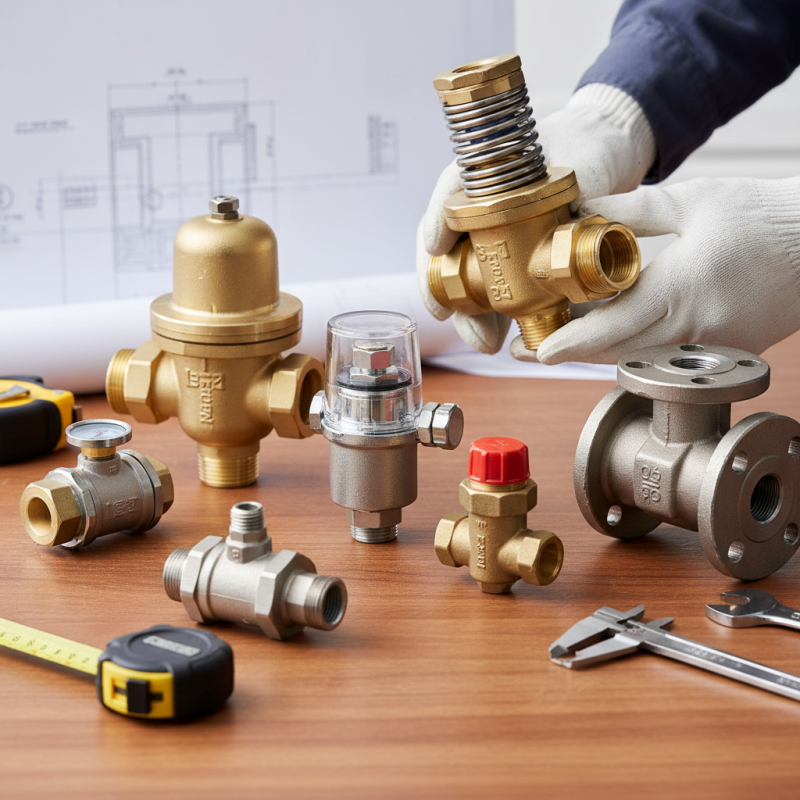
When selecting a water pressure relief valve, material and size specifications are crucial. The valve's material directly impacts its durability and resistance to corrosion. Brass, stainless steel, and plastic are popular choices. Brass is robust and offers longevity, while stainless steel excels in harsh environments. Plastic valves are typically lighter and more cost-effective, but may not withstand high pressures.
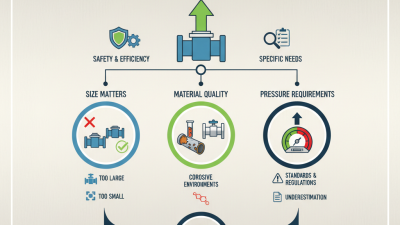
Size specifications matter too. The wrong size can lead to inefficiency and potential leaks. Measure your plumbing setup before making a choice. A valve too small may not relieve pressure properly. Conversely, an oversized valve can be wasteful and bulky.
**Tips:** Always check compatibility with your plumbing system. Ensure the inlet and outlet sizes match perfectly. Consider future needs; plan for expansion or increased pressure to avoid future issues. Testing the valve once installed is essential. Regular maintenance can help avoid unexpected failures and prolong the valve's lifespan.
How to Choose the Right Water Pressure Relief Valve for Your Needs? - Considering Material and Size Specifications
| Specification |
Material |
Size (Inches) |
Pressure Range (psi) |
Temperature Range (°F) |
| Standard Relief Valve |
Brass |
1/2 |
30-75 |
40-150 |
| High Pressure Relief Valve |
Stainless Steel |
3/4 |
75-150 |
32-180 |
| Low Flow Valve |
PVC |
1/4 |
10-30 |
50-120 |
| Industrial Relief Valve |
Cast Iron |
1 |
90-200 |
60-250 |
| Custom Relief Valve |
Aluminum |
1.5 |
50-100 |
40-200 |
 North American Safety Valve Industries, Inc.