What Are the Top China Pressure Relief Valve Manufacturers?

Choosing among China’s pressure relief valve manufacturers requires more than comparing prices, product photos, or export claims. This article examines how established suppliers demonstrate engineering capability, production control, and dependable after-sales support. The focus includes valves used in chemical plants, water systems, steam lines, compressed-air equipment, and other pressure-sensitive applications.

A practical review begins with design details. Buyers should check set-pressure accuracy, body materials, spring quality, sealing performance, temperature limits, and connection standards. Testing records matter. So do traceable certificates, inspection procedures, and clear technical drawings. A reliable manufacturer should explain how each 1 pressure relief valve is calibrated before shipment. Factory audits, sample testing, and customer references can reveal weaknesses hidden behind attractive brochures.

Experience matters here. Engineers often notice small details, such as uneven machining marks, unclear nameplates, or missing adjustment instructions. These details can affect installation and maintenance. However, no online ranking can replace an application-specific review. A supplier may perform well on standard water valves but struggle with corrosive media or high-temperature steam. That limitation deserves attention.

The manufacturers discussed in this guide are assessed through practical criteria, including product range, manufacturing capacity, quality systems, customization ability, certifications, delivery performance, and technical communication. Evidence should be verified whenever possible. Some claims may sound impressive but remain difficult to confirm. That is an important reminder. The strongest choice is not always the largest factory; it is the manufacturer that can consistently match the valve to the real operating conditions.
What Are the Top China Pressure Relief Valve Manufacturers?

What Is a Pressure Relief Valve and Why Is It Important?

A pressure relief valve is a mechanical safety device that releases excess pressure from a vessel, pipeline, or process system. It opens when internal pressure reaches a preset limit, then closes after pressure returns to a safer range. This simple action can prevent equipment rupture, production losses, and serious injuries.

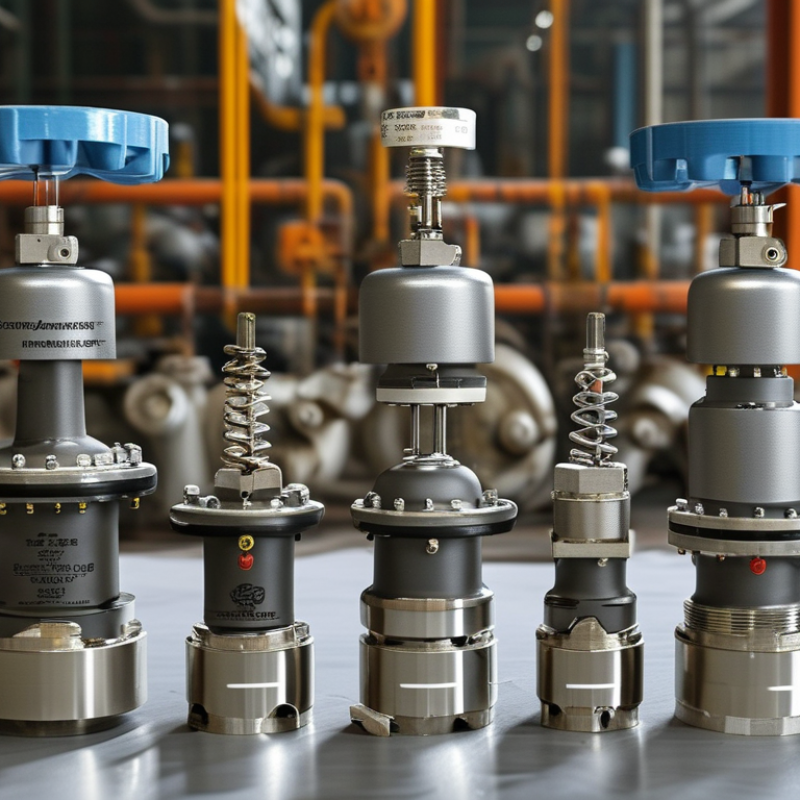
The valve’s spring, seat, nozzle, and body must match the operating conditions. Engineers check pressure, temperature, fluid type, flow capacity, and corrosion risk before selecting a model. A spring-loaded valve suits many common systems, while a pilot-operated design may handle higher flow or unstable pressure more effectively. Small details matter. A dirty seat can cause leakage.

Reliable manufacturers usually provide material certificates, pressure test records, calibration data, and traceable serial numbers. Factory testing should confirm the set pressure and reseating performance, not only the appearance. Compliance with recognized standards, such as ASME, API, or ISO requirements, also supports safer purchasing decisions. However, certification alone is not enough. Installation quality, maintenance intervals, and correct sizing remain equally important.

In real facilities, operators may discover that a perfectly calculated valve performs poorly because the discharge pipe is undersized. That is an easy mistake to overlook. Regular inspection can reveal corrosion, blocked outlets, or a weakened spring before a dangerous event occurs. A pressure relief valve is not merely a component; it is the final mechanical response when pressure control fails.
How to Evaluate China’s Pressure Relief Valve Manufacturers

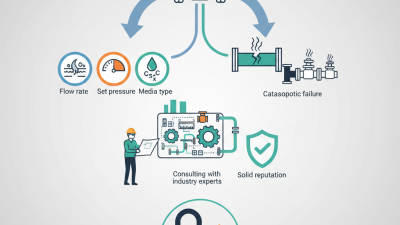
Evaluating China’s pressure relief valve manufacturers requires more than comparing unit prices. In supplier audits, I look for process evidence before sales claims. Ask for recent calibration records, material certificates, and pressure-test reports. A polished brochure is not proof. The factory should explain how set pressure, blowdown, and reseating are controlled. Operators should show the test bench, not only photographs.

Technical capability matters when the valve protects steam, gas, or liquid systems. Check whether engineers understand temperature, back pressure, corrosion, and discharge capacity. Request sizing calculations for your actual service conditions. Review machining tolerances and spring-selection procedures. Small details matter. Inspect nozzle surfaces, sealing components, and identification markings. Traceability should follow each pressure-bearing part from incoming inspection to final assembly. This is where many evaluations become too optimistic.

Reliability also depends on quality management and after-sales response. Verify an applicable quality system, documented nonconformance handling, and independent inspection options. Ask how failed valves are analyzed, repaired, and reported. Contact two or three long-term customers, if permission is available. Their maintenance records may reveal recurring leakage or unstable settings. Delivery speed can be useful, but rushed testing creates risk. I would also compare sample valves with production units; samples are sometimes better. Leave room for uncertainty, and record every answer in a supplier scorecard.

Which Chinese Manufacturers Lead the Pressure Relief Valve Market?

Chinese manufacturers leading the pressure relief valve market are usually not judged by price alone. They are evaluated through certification, testing depth, delivery reliability, and field performance. Fortune Business Insights estimates that the global pressure relief valve market reached about USD 4.77 billion in 2023. It also forecasts a 5.3% compound annual growth rate through 2032. These figures show steady demand from power, chemical, oil, gas, and water projects.

China’s strongest suppliers generally fall into three groups. Large industrial producers serve power stations and petrochemical facilities. Specialized valve factories focus on high-pressure, high-temperature, or corrosive media. Export-oriented manufacturers compete through shorter lead times and flexible engineering. The most credible suppliers provide material certificates, pressure-test records, calibration reports, and traceable serial numbers. Their designs should align with ISO 4126 and applicable API 520 requirements. However, market rankings remain difficult to verify. Public reports often combine different valve categories, so “top manufacturer” claims deserve careful review.

Tips: Ask for recent test records, not only catalog pages. Check whether the factory controls machining, spring testing, and final calibration internally. Request references from similar operating conditions. A low quotation may hide weaker inspection or slower spare-part support. MarketsandMarkets reports continued growth in industrial valves, but its scope differs from other studies. That difference matters, and buyers should compare definitions before trusting market-share numbers.

What Industries Use Valves from China’s Leading Manufacturers?

China’s leading pressure relief valve manufacturers serve demanding industries where overpressure can damage equipment, interrupt production, or create serious safety risks. Oil and gas facilities use these valves on separators, storage tanks, pipelines, and processing units. Chemical plants require carefully selected materials for corrosive fluids, high temperatures, and unstable reactions. Power stations install relief valves around boilers, steam lines, turbines, and feedwater systems.

Water treatment plants and municipal utilities use them to protect pumps, filters, and pressurized pipelines. Mining operations need rugged valves that tolerate dust, vibration, slurry, and sudden pressure changes. Food, beverage, and pharmaceutical facilities often prefer stainless steel designs with smooth internal surfaces. HVAC systems, commercial buildings, and industrial refrigeration also use smaller relief valves for chillers, compressors, and hot-water circuits. The application changes the details. Set pressure, discharge capacity, connection type, temperature range, and seal material all matter.

Tips: Request test certificates, material records, calibration data, and clear performance curves. Check whether the valve suits the actual medium, not just the equipment name. A catalog is not proof of field reliability. In practice, installation errors can defeat a well-made valve. I have seen specifications overlook back pressure, drainage, or maintenance access. That oversight deserves a second review. Independent inspection and realistic operating data can expose problems before commissioning.

Industries Using Pressure Relief Valves from China’s Leading Manufacturers

Pressure relief valves are widely used to protect pressurized equipment from overpressure. The chart shows representative equipment applications across major process industries, based on common practices covered by ASME Section VIII, API 520/API 521, and industrial pressure-vessel safety requirements.

The values represent the number of representative pressure-relief applications shown for each industry, rather than manufacturer sales or market-share data. Typical applications include storage tanks, boilers, reactors, pipelines, compressors, and process vessels.

How to Select the Right Chinese Pressure Relief Valve Supplier

What Are the Top China Pressure Relief Valve Manufacturers?

Selecting the right Chinese pressure relief valve supplier requires more than comparing prices. Start by defining the valve’s medium, pressure range, temperature, connection type, and required flow capacity. A supplier should explain how the valve matches these conditions. Vague answers deserve caution. Ask for material certificates, pressure test records, calibration details, and traceability documents. Reliable manufacturers can connect each valve to a production batch and inspection record.

Factory experience matters. Review the supplier’s engineering team, machining equipment, testing facilities, and quality controls. Request photographs or arrange an independent factory audit when the project is important. Check whether the manufacturer follows recognized standards for design, testing, and documentation. Certifications alone are not enough. They must support the actual valve model and application. Speak with technical staff, not only sales representatives.

Pay close attention to after-sales support. Can the supplier provide installation guidance, replacement parts, and clear maintenance instructions? Confirm response times before signing a contract. Sample testing is also useful, especially for corrosive media or unstable operating conditions. A low quotation may hide weaker materials, incomplete testing, or limited support. I have seen buyers focus too heavily on unit price. That decision can create expensive delays later. No supplier is perfect. The better choice is the one that communicates risks clearly, accepts technical questions, and delivers consistent evidence.

What Are the Top China Pressure Relief Valve Manufacturers? - How to Select the Right Chinese Pressure Relief Valve Supplier

Evaluation Dimension Recommended Requirement or Reference Data Evidence to Request from the Supplier Why It Matters Reference Weight
Applicable Design Standards The supplier should clearly identify the applicable standard, such as API 520 for sizing and selection, API 526 for standardized pressure-relief valve face-to-face dimensions, ISO 4126-1 for safety valves, or GB/T 12243-2021 for spring-loaded safety valves. Product datasheet, design calculation, standard edition, and a written statement of compliance. A pressure-relief valve must be selected and tested against the standard required by the project, jurisdiction, and process application. 15%
Pressure and Temperature Range The set pressure, relieving pressure, operating pressure, back pressure, design temperature, and allowable overpressure must be stated for each valve. The selected pressure range should match the protected equipment and process conditions. Stamped nameplate data, pressure-temperature rating chart, and completed sizing sheet. Incorrect pressure or temperature assumptions can cause premature opening, unstable operation, or inadequate equipment protection. 15%
Valve Type and Operating Service Confirm whether the application requires a conventional spring-loaded valve, balanced bellows valve, pilot-operated valve, vacuum relief valve, or combination pressure-vacuum unit. Specify gas, steam, liquid, two-phase, corrosive, toxic, or clean service. Application questionnaire, flow-medium data, valve operating principle, and service limitations. Different valve designs respond differently to back pressure, viscosity, contamination, and changing process conditions. 12%
Materials and Corrosion Resistance Common material options include carbon steel such as WCB for suitable general services, stainless steel such as CF8M for many corrosive environments, and alloy materials where chemical compatibility requires them. Material selection must be based on the medium, concentration, temperature, and chloride or sulfide exposure. Material specification, heat-number traceability, material test certificates, trim material list, and gasket specification. A pressure rating alone does not confirm compatibility with the process medium or long-term corrosion conditions. 12%
Capacity and Sizing Accuracy The supplier should calculate required relieving capacity using the applicable methodology for gas, steam, liquid, or multiphase flow. The calculation should include relieving temperature, molecular weight or density, compressibility where relevant, and back pressure. Signed sizing calculation, certified coefficient data where applicable, nozzle area, and selected orifice designation. An oversized or undersized valve may create operational instability or fail to protect the equipment adequately. 15%
Testing and Inspection A complete inspection program should cover body pressure testing, seat leakage testing, set-pressure verification, visual inspection, dimensional inspection, and functional testing where required by the purchase specification. Inspection and test plan, calibration certificates, test reports, photographs, and final inspection release. Documented testing provides objective evidence that the supplied valve conforms to the agreed technical requirements. 12%
Quality Management and Traceability Prefer suppliers with a functioning quality-management system, controlled drawings, serial-number tracking, incoming-material inspection, and documented nonconformance procedures. ISO 9001 certification may support evaluation but does not replace product-specific inspection. Current certificate, manufacturing quality plan, batch records, nonconformance log process, and traceability sample. Traceability helps identify material, assembly, testing, and service history throughout the valve life cycle. 10%
Export and Regulatory Capability For international projects, confirm the supplier can provide documentation in the required language and meet the destination market’s pressure-equipment, material, marking, and inspection requirements. Previous anonymized project documentation, export packing procedure, country-specific compliance statement, and marking sample. Regulatory or documentation gaps can delay customs clearance, installation, commissioning, or project acceptance. 6%
After-Sales Service and Maintenance The supplier should provide installation guidance, inspection intervals, spare-parts availability, repair instructions, recalibration support, and a defined warranty process. Warranty terms, spare-parts list, service response time, maintenance manual, and training or commissioning options. Pressure-relief valves require periodic inspection and possible re-setting or repair during their operating life. 3%

Selection note: The reference weights are an evaluation framework rather than a ranking of individual manufacturers. Final selection should be based on the protected equipment, process conditions, applicable regulations, verified calculations, inspection records, and total lifecycle cost.