Why Is a Safety Relief Valve Needed?

In a pressurized system, danger can build quietly. Heat expands liquid, a pump may keep running, or an outlet may become blocked. Pressure then rises inside pipes, tanks, boilers, or other equipment. A safety relief valve provides a controlled way to release excess pressure. When pressure reaches its set point, the valve opens and directs fluid or gas through a discharge path. It may close again as pressure falls. Small component. Serious duty.

The consequences of uncontrolled pressure can include damaged equipment, leaks, costly downtime, and injuries. A correctly selected and maintained safety relief valve helps reduce these risks by acting automatically, even when an operator is not beside the equipment. Its size, materials, pressure setting, and discharge arrangement must match the system and the fluid being handled. A valve that looks suitable may still be wrong for a particular service. Details matter.

Still, the valve is not magic. It cannot compensate for poor system design, blocked discharge piping, incorrect installation, or neglected inspection. Engineers and qualified technicians should verify its selection and condition against the equipment requirements and applicable guidance. Operators should also know where discharge may go and what warning signs to report. A relief event can protect a system, but it may also signal a problem that needs investigation. Understanding why a safety relief valve is needed means seeing both sides: it is a vital protective device, and only one part of a broader pressure-safety plan.
Why Is a Safety Relief Valve Needed?

What a Safety Relief Valve Is

Why Is a Safety Relief Valve Needed?

What a Safety Relief Valve Is

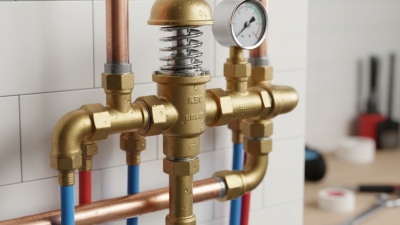
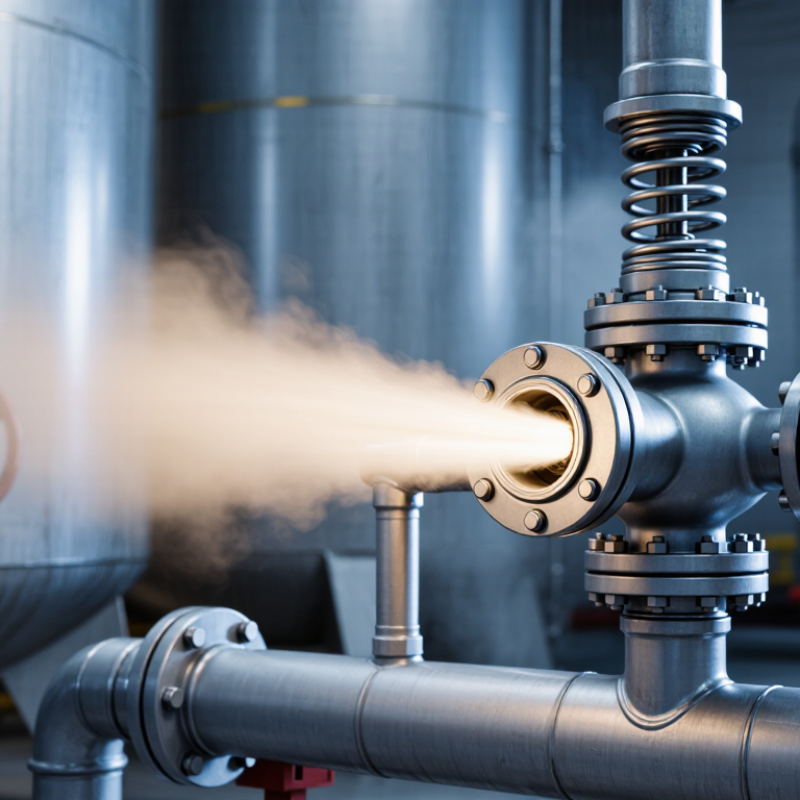
A safety relief valve is a pressure-activated device that releases fluid when a system exceeds a preset pressure. A spring usually holds its disc against the seat. When pressure reaches the set point, the disc lifts and flow exits through the outlet. As pressure falls, the valve closes again.

It is a safeguard. Not a plug.

The terms safety valve and relief valve often describe different service: safety valves commonly protect gas or vapor systems, while relief valves commonly serve liquid systems. A safety relief valve can handle both, depending on its design.

API Standard 520 provides guidance for sizing and selecting these devices; the required capacity depends on the fluid and credible overpressure scenarios. A small valve can be inadequate, even when its set pressure looks correct.

For context, ASME Boiler and Pressure Vessel Code Section VIII, Division 1 generally limits pressure accumulation to 10% above maximum allowable working pressure for many non-fire cases. That figure is not a universal operating target. Engineers must check the applicable conditions and code requirements. In a plant, the valve’s nameplate, inlet piping, and discharge route all matter. A blocked or undersized outlet can undermine protection. Real installations are less tidy than diagrams, and maintenance records sometimes miss that detail.
How Excess Pressure Develops in a System

Pressure rarely rises without a cause. In a closed pipe or vessel, a blocked outlet can trap fluid while a pump continues pushing against it. The pressure gauge may climb quickly. A control valve that sticks, or a process change that sends excess flow into a vessel, can create a similar problem.

Heat is another common source. When liquid is trapped between closed valves, even modest warming can make it expand. Because liquid has little room to compress, pressure can rise sharply. Gases behave differently: heating gas in a fixed space also raises pressure, though the change depends on operating conditions. Small changes matter.

These events may develop quietly. A warm pipe, a rising gauge needle, or a pump that sounds strained can be early clues, but none proves the cause. A safety relief valve provides a designed route for excess pressure to escape when its set conditions are reached. Its capacity and discharge arrangement must suit the system; an incorrectly selected valve may not protect equipment as intended. It is easy to focus on the valve alone. The pressure source, blocked paths, and maintenance history deserve attention too.

Why Is a Safety Relief Valve Needed? - How Excess Pressure Develops in a System

Pressure-Rise Scenario How Excess Pressure Develops Possible Consequence How a Safety Relief Valve Helps
Blocked or restricted outlet A pump or compressor continues supplying fluid while a downstream valve is closed, a line is blocked, or a filter is obstructed. Pressure can rise in the affected section. Piping, vessels, seals, or connected equipment may be exposed to pressure beyond their allowable limits. When correctly selected and installed, the valve opens at its set pressure to discharge fluid and limit further pressure rise.
Thermal expansion of trapped liquid Liquid trapped between closed valves expands as it warms. Because liquids are only slightly compressible, a relatively small temperature increase can create a substantial pressure increase in a confined space. The trapped section may overpressure even when the main system is operating normally. A suitable thermal relief arrangement can release a small amount of liquid to protect the isolated section.
Control or regulator failure A pressure regulator, control valve, sensor, or control loop may fail or respond incorrectly, allowing more pressure or flow into downstream equipment than intended. Downstream equipment with a lower pressure rating may be subjected to an unsafe pressure. The relief valve provides a separate mechanical pressure-protection layer; it does not replace proper controls or maintenance.
External heating or fire exposure Heat adds energy to the contents of a vessel. Depending on the fluid and conditions, this can increase vapor generation, fluid expansion, and system pressure. Pressure may rise rapidly, potentially challenging the pressure boundary if the event is not managed. A valve sized for the applicable relief scenario can discharge fluid to help protect the vessel from overpressure.
Gas generation or vaporization A process reaction, boiling, or a change in operating conditions can produce additional gas or vapor. If it is generated faster than it can leave the system, pressure can increase. The system may exceed its intended operating pressure, especially if the outlet path is limited. The valve provides a designated route for relieving excess pressure, provided its capacity and discharge system are suitable for the case.
Pressure surge or transient event A rapid change in flow, such as abrupt valve closure or pump start-up, can create a short-lived pressure surge in a liquid line. A transient can stress piping and components; the pressure response depends on system design and the event’s duration. Relief protection may be part of the overall design, but transient control may also require appropriate operating practices and surge-mitigation measures.
Design note: A safety relief valve must be selected, sized, installed, inspected, and maintained for the specific fluid, operating conditions, pressure limits, and credible overpressure scenarios. Its set pressure and discharge arrangement should follow applicable codes and engineering requirements.

How a Safety Relief Valve Controls Pressure

Why Is a Safety Relief Valve Needed?
How a Safety Relief Valve Controls Pressure

A safety relief valve limits pressure when a system rises beyond its intended operating range. In a boiler, tank, or pipeline, trapped heat or a blocked outlet can make pressure climb quickly. The valve provides a path for excess fluid to escape. It is a protective device, not a substitute for routine pressure control.

Inside many valves, a spring holds a disc against its seat. When pressure at the inlet reaches the valve’s set point, the force can overcome the spring and lift the disc. Fluid then flows through the outlet, lowering pressure. As pressure falls, the disc moves back toward its seat. The exact opening and closing behavior depends on the valve design and the fluid involved. It can be surprisingly sensitive.

Relief only works as intended when the valve is correctly selected and installed. Outlet piping must safely carry the released fluid, and excessive backpressure can affect performance. For example, a small, obstructed discharge line may prevent adequate flow even if the valve opens. A technician should verify the set pressure, capacity, and condition against the system’s requirements. Corrosion or residue can interfere with the seat. Inspection matters. A valve that looks intact may still fail to open or reseal properly.

Why Is a Safety Relief Valve Needed?

How a safety relief valve controls pressure in a simplified example

Explanation: A safety relief valve opens when pressure reaches its set pressure, releasing fluid to help limit further pressure rise. As pressure falls, the valve closes. This illustrative example uses a 10 bar set pressure; actual relieving pressure and valve behavior depend on the equipment, fluid, valve design, and applicable codes.

Where Safety Relief Valves Are Used

Why Is a Safety Relief Valve Needed?

Where Safety Relief Valves Are Used

Safety relief valves are installed where trapped pressure could damage equipment or create a hazard. Common locations include steam boilers, compressed-air receivers, and industrial pressure vessels. In a boiler room, a correctly selected valve can release excess steam before pressure exceeds the equipment’s safe operating limit. The discharge may be loud and hot. Keep people clear.

They are also used in process piping, heat exchangers, and liquid systems where blocked outlets or heating can raise pressure. The right valve depends on the fluid, temperature, operating pressure, and expected flow. A valve intended for steam may not suit a liquid application. Installation details matter, too: discharge piping must not obstruct operation or direct released material toward workers. A real installation can be less tidy than a diagram, so inspect access and drainage carefully.

Tips: Check the valve’s set pressure against the protected equipment’s rating, and follow the equipment maker’s instructions. Keep the inlet and outlet unobstructed. Arrange qualified inspection and testing at appropriate intervals; a valve that looks fine may still stick or leak.

Key Factors in Selecting and Maintaining a Valve

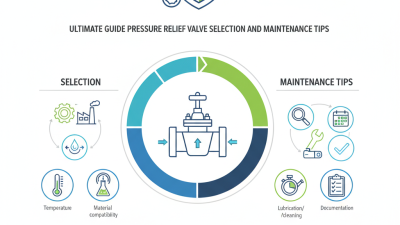
A safety relief valve protects equipment when pressure rises beyond a defined limit. Choosing one requires more than matching pipe size. Confirm the set pressure, required relieving capacity, fluid, temperature, and expected backpressure. Material compatibility matters too: a corrosive liquid or hot vapor can affect valve parts and performance. Real systems are rarely tidy. A clean datasheet may not capture every operating change, so assumptions should be checked against actual process conditions.

Maintenance keeps the selected valve dependable. Look for corrosion, deposits, damaged seals, and signs of leakage around the outlet. Testing and inspection intervals should reflect service conditions and applicable requirements, with work handled by qualified personnel. Never treat a valve adjustment as a quick fix; an incorrect setting can leave equipment unprotected or cause unwanted discharge. Records help reveal drift over time, though paperwork alone cannot confirm a valve will operate correctly.

Tips: Keep the valve outlet clear and safely routed. Compare inspection findings with operating records, and reassess sizing after process changes. Small details matter. If pressure behavior seems inconsistent, pause and investigate rather than assuming the valve is at fault.