North American Safety Valve Industries, Inc.North American Safety Valve Industries, Inc.North American Safety Valve Industries, Inc.
Choosing a safety relief valve brand is a process-safety decision, not merely a purchasing exercise. A refinery, boiler room, or chemical skid may depend on one compact valve to release excess pressure within seconds. The wrong selection can create leakage, unstable operation, costly shutdowns, or serious equipment damage. Buyers therefore need evidence beyond catalog claims.
MarketsandMarkets estimates that the global industrial valves market could grow from about USD 78 billion in 2024 to nearly USD 100 billion by 2029. Its analysis highlights energy, chemicals, water treatment, and manufacturing as important demand sectors. Grand View Research also identifies industrial automation, infrastructure investment, and process-industry expansion as major market drivers. These reports show strong growth, but market size does not prove product quality.
This guide evaluates seven leading safety relief valve brands for global buyers. It considers pressure accuracy, materials, certification support, maintenance access, delivery capability, and field reputation. Technical references include API 520, API 526, API 527, and ISO 4126. These standards help buyers compare sizing, testing, dimensions, and performance more consistently. Still, no ranking fits every plant. A valve performing well on a steam line may not suit corrosive chemical service. That limitation matters. Buyers should verify set pressure, temperature, backpressure, media compatibility, and local approval requirements before ordering. Small details matter. A stamped nameplate, clear test certificate, and reachable service team can reveal more than polished marketing language.
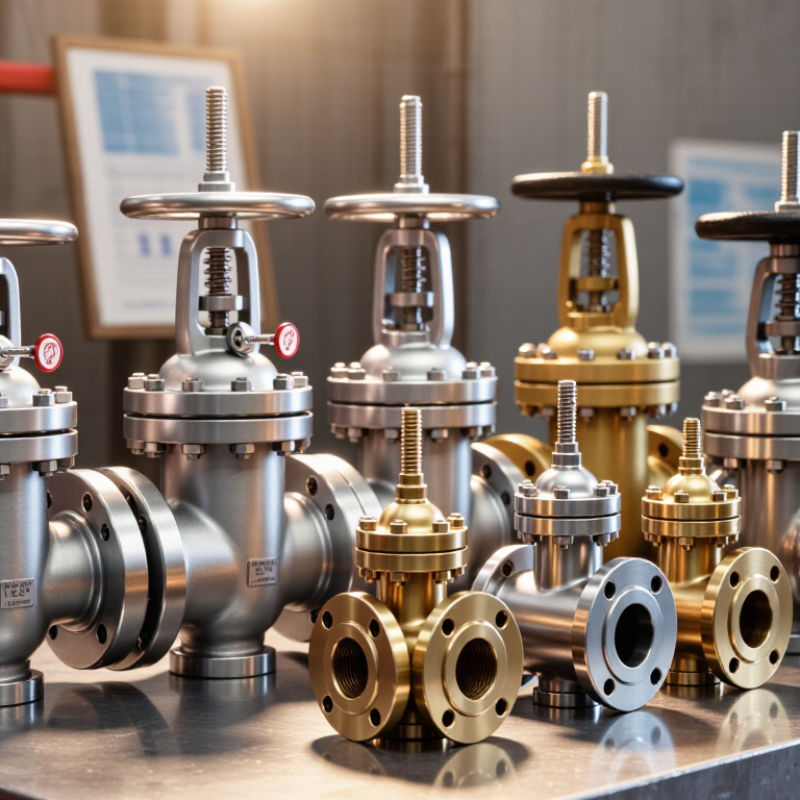
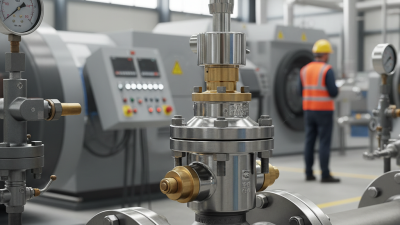
Safety relief valves protect pressurized equipment when operating pressure rises beyond a safe limit. They open automatically, release excess fluid, and close after pressure returns to an acceptable range. Their function sounds simple. Sizing is not.
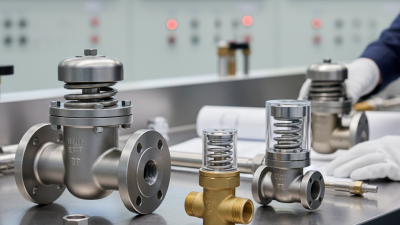
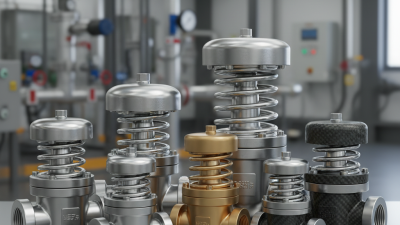
Spring-loaded valves suit many general industrial systems, including steam lines, boilers, compressed air, and liquid piping. Pilot-operated valves offer tighter control in large vessels and high-pressure gas service. Rupture discs provide rapid, non-reclosing protection and may work alongside a relief valve. Each type responds differently to temperature, viscosity, corrosion, and backpressure.
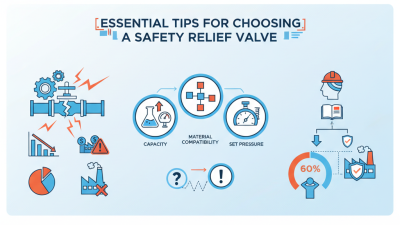
Correct selection requires more than matching pipe size. Engineers should verify set pressure, required flow capacity, discharge routing, material compatibility, and maintenance access. A valve exposed to corrosive chemicals may need special alloys or protective coatings. In a refinery, it can protect storage vessels. In food processing, it can safeguard steam circuits and hygienic tanks. In water treatment, it can limit pressure surges in pumps and pipelines. Field reviews often find that blocked outlets, incorrect settings, or neglected testing weaken otherwise sound systems. That deserves honest attention.
Tips: Confirm the valve’s set pressure against the equipment rating. Check inlet and outlet pressure losses. Keep discharge lines supported and visible. Test according to the manufacturer’s procedure and applicable standards. Records matter. Relying only on a visual inspection is a common mistake.
A brand-neutral comparison of seven widely used safety relief valve configurations for international equipment selection
| Valve Configuration | Primary Function | Typical Media | Key Applications | Backpressure Behavior | Common Standards | Main Selection Consideration |
|---|---|---|---|---|---|---|
| Conventional Spring-Loaded Safety Valve | Opens automatically when system pressure reaches the set pressure and reseats after pressure is reduced. | Steam Gas Vapor |
Steam boilers, pressure vessels, compressed-air systems, process piping and utility services. | Performance can be affected by built-up or superimposed backpressure, especially at higher levels. | ASME Section VIII API 520 API 527 |
Best suited to applications with relatively stable discharge conditions and limited backpressure. |
| Balanced Bellows Safety Relief Valve | Protects the pressure boundary while reducing the influence of backpressure on set pressure and capacity. | Vapor Gas Corrosive Service |
Refineries, chemical plants, petrochemical units and systems connected to closed discharge headers. | Designed to minimize the effect of variable backpressure; bellows integrity must be monitored. | ASME Section VIII API 520 API 521 |
Check bellows material compatibility, venting requirements and allowable backpressure. |
| Pilot-Operated Pressure Relief Valve | Uses system pressure and a pilot control mechanism to provide accurate opening and tight shutoff. | Gas Vapor Liquid |
Large process vessels, high-capacity gas systems, pipelines, storage facilities and high-pressure services. | Often suitable for higher backpressure than conventional designs, subject to pilot and system conditions. | API 520 API 521 API 526 |
Evaluate pilot reliability, minimum operating pressure, impulse-line design and maintenance access. |
| Safety Valve for Steam Service | Provides rapid pressure relief for steam-generating equipment and prevents unsafe overpressure. | Saturated Steam Superheated Steam |
Boilers, steam drums, economizers, heat-recovery steam generators and steam pipelines. | Discharge piping and reaction forces must be considered; excessive backpressure can affect operation. | ASME Section I ASME Section VIII API 527 |
Confirm certified capacity, blowdown characteristics, steam temperature and discharge reaction loads. |
| Liquid Relief Valve | Relieves excess liquid pressure caused by blocked outlets, thermal expansion or pump-related pressure rise. | Water Oil Process Liquid |
Liquid pipelines, pumps, heat exchangers, hydraulic systems and blocked-in process sections. | Liquid service is sensitive to pressure loss, two-phase flow and discharge-line configuration. | API 520 API 521 ISO 4126 |
Size for the actual liquid properties, relieving temperature, viscosity and required relieving flow. |
| Thermal Relief Valve | Releases a small amount of trapped liquid when temperature increase causes hydraulic expansion. | Trapped Liquid Water Hydrocarbon Liquid |
Blocked-in liquid lines, heat-traced piping, solar-exposed pipelines, jackets and small liquid chambers. | Normally handles low flow; discharge routing and safe collection are essential. | API 520 API 521 ISO 4126 |
Use only where the credible event is thermal expansion; it is not a substitute for a full-flow relief device. |
| Vacuum Relief Valve | Admits air or inert gas when internal pressure falls below the allowable vacuum limit. | Air Inert Gas Vapor Space |
Atmospheric and low-pressure storage tanks, vessels, vent systems and tanks exposed to cooling or draining. | Atmospheric discharge and inlet losses can influence the vacuum set point and flow capacity. | API 2000 ISO 28300 |
Check vacuum rating, vent capacity, corrosion protection, flame-arrestor compatibility and emissions requirements. |
Selection should be based on the protected equipment, credible overpressure scenarios, set pressure, relieving temperature, fluid properties, required capacity, discharge backpressure and applicable local regulations. Final sizing and certification should follow the governing design code and the equipment manufacturer's published data.