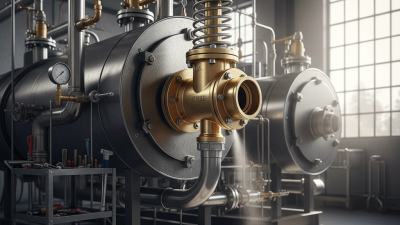
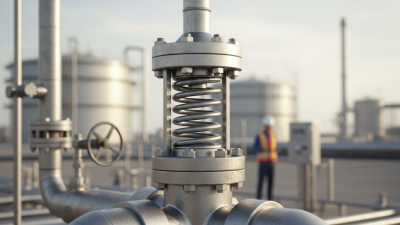
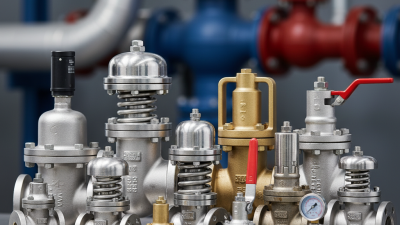
A leaking boiler relief valve is more than a small drip beneath the appliance. It is a warning that deserves careful attention. This valve releases excess pressure when the boiler system becomes unsafe. If water appears around the discharge pipe, several causes may be involved. System pressure may be too high. The expansion vessel may have lost its charge. A filling valve may be passing water. Internal debris or corrosion can also prevent the valve from sealing correctly.
Dan Holohan, a respected hydronic-heating educator and author, has repeatedly emphasized, “A pressure-relief valve is a safety device, not a control device.” That distinction matters. A boiler relief valve should not be treated as a convenient way to manage normal pressure. Repeated discharge can weaken the valve, damage nearby surfaces, and hide a deeper fault. Sometimes, the visible leak is only the symptom.
Look closely.
A cold boiler showing unusually high pressure, a warm discharge pipe, or rusty water around the outlet can provide useful clues. However, visual checks cannot confirm whether the valve, expansion vessel, pressure gauge, or filling assembly has failed. Professional experience matters because pressure systems can behave differently after heating cycles. The problem may even appear resolved when the boiler cools, which can create false confidence.
This guide explains why a boiler relief valve leaks, what the warning signs may indicate, and when qualified service is necessary. It also acknowledges an uncomfortable point: not every leak has one obvious cause. Safe diagnosis requires evidence, patience, and respect for the boiler’s stored pressure.
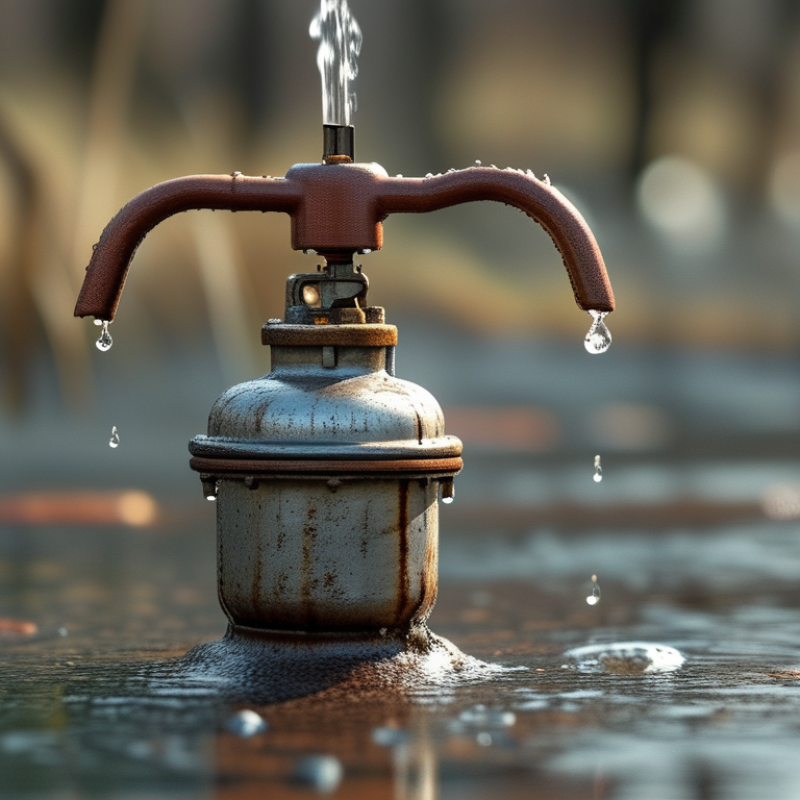
Why Is My Boiler Relief Valve Leaking?
A boiler relief valve protects the system from dangerous pressure buildup. It opens when pressure reaches its rated limit. Hot water or steam then escapes through the discharge pipe. When pressure returns to a safe level, the valve should close firmly. A leaking valve is not always an emergency, but it should never be ignored. A small drip can look harmless. That assumption is often wrong.
Common causes include excessive system pressure, a faulty expansion vessel, trapped debris, corrosion, or a worn valve seat. Repeated discharge can damage the valve and leave mineral deposits around its outlet. Check the pressure gauge only if it is safe to do so. Do not block, cap, or force the discharge pipe closed. This can remove a critical safety function. In real maintenance work, replacing the valve alone may not solve the problem. The pressure cause still needs investigation.
Tips: Keep the discharge pipe visible and unobstructed. Look for hot water, staining, or a steady drip. Never touch recently discharged water. Turn off the boiler if pressure rises rapidly or water escapes heavily. Arrange an inspection by a qualified heating professional. They can test operating pressure, inspect the expansion vessel, and confirm the replacement valve matches the boiler’s required rating. Some assumptions need checking. A quiet leak can still signal a serious control problem.
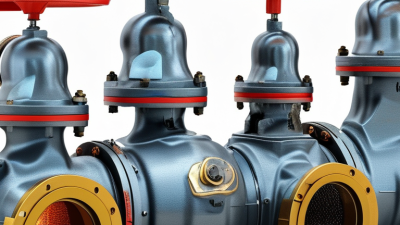
A leaking boiler relief valve usually signals pressure, temperature, or component trouble. The valve may open when system pressure exceeds its rated limit. A faulty expansion tank can cause repeated pressure spikes during heating cycles. If the tank loses its air charge, water pressure rises quickly. The valve seat may also collect scale, rust, or sediment. Even a small particle can prevent complete closure. You may notice a steady drip from the discharge pipe. That drip is not normal.
The U.S. National Fire Protection Association reported an average of 48,530 home heating-equipment fires annually from 2016 to 2020. Those fires caused about 500 deaths and 1,350 injuries. This broader safety data shows why pressure problems deserve prompt attention. ASME Boiler and Pressure Vessel Code, Section IV, also requires suitable safety and relief protection for heating boilers. Never cap, block, or replace the valve with an unapproved component. That creates a serious hazard.
Check the pressure gauge when the boiler is cold and operating. Record both readings. A cold pressure near the manufacturer’s specified range is usually expected, but every system differs. Inspect the discharge pipe for corrosion, blockage, or missing routing. A quick wipe can help. It is not a diagnosis. The easy assumption is “bad valve,” yet repeated leaking often points to expansion control, excessive fill pressure, or overheating. A qualified technician should test the expansion tank, controls, gauge, and relief valve together. The valve may need replacement after one discharge event, especially if its seat no longer seals reliably.
A leaking boiler relief valve is a safety warning, not ordinary condensation. The valve may be releasing excess pressure, reacting to thermal expansion, or failing because of sediment. The U.S. Energy Information Administration’s 2020 Residential Energy Consumption Survey found that space heating used about 42% of household energy. A small boiler fault can therefore affect comfort, cost, and safety.
Start with the gauge. Record pressure when the boiler is cold, then check it again after heating begins. Compare both readings with the boiler’s manual and the relief valve’s marked setting. A cold reading alone can mislead you. I have seen troubleshooting focus on the valve, while expansion pressure caused the drip. Look for water at the discharge pipe, rust around the valve, or steam-like moisture. Keep your hands away. The outlet may release scalding water.
Do not remove the valve, cap the discharge pipe, or close any isolation valve between the boiler and relief valve. Do not repeatedly lift the test lever. That can prevent it from reseating. The National Board Inspection Code emphasizes maintaining pressure-relief devices in safe operating condition, while ASME requirements place the valve setting at or below the equipment’s allowable working pressure. If pressure rises rapidly, water flows continuously, or the gauge approaches its limit, switch the system off only if you can do so safely and contact a qualified heating professional. Never ignore a quiet drip. It may be the first visible sign of a deeper control or expansion problem.
Why Is My Boiler Relief Valve Leaking?
When to Repair or Replace a Leaking Relief Valve
Water beneath the relief valve discharge pipe should never be ignored. The valve may be releasing excess pressure, not simply developing a small leak. Check the pressure gauge, but avoid touching hot water or steam. A steady drip often points to high system pressure, trapped air, or a faulty expansion tank. Sediment can also prevent the valve from closing fully.
Repair the cause when the valve itself still operates correctly. A heating professional can test system pressure, inspect the expansion tank, and check the valve seat. I have seen homeowners replace the valve first, only to find excessive pressure caused the leak. That wastes time. The diagnosis matters more.
Replace the relief valve when corrosion appears, the discharge continues after pressure is corrected, or testing shows a weak spring. Most safety relief valves are not dependable after internal damage. Do not clamp, plug, or cap the discharge pipe. That can remove an essential safety function. Replacement should match the boiler’s pressure and temperature requirements. A qualified technician should install it and confirm proper discharge routing. Sometimes, the obvious leak is only the visible symptom.
| Observed Condition | Most Likely Cause | Recommended First Check | Repair or Replace? | Urgency |
|---|---|---|---|---|
| A few drops immediately after the boiler heats | System pressure may be reaching the valve’s set point, or the valve seat may contain dirt or scale. | Read the pressure gauge while the system is cold and again when fully heated. Check the valve outlet for debris or corrosion. | A qualified technician may clean or test the system, but a relief valve that continues to drip commonly requires replacement. | Prompt inspection |
| Steady dripping from the discharge pipe | A worn, damaged, or contaminated valve seat; excessive system pressure is also possible. | Confirm that the discharge pipe is not blocked and compare system pressure with the rating printed on the valve. | Replace the valve after the underlying pressure problem is identified. Do not attempt to plug or cap the outlet. | Urgent service |
| Water discharges forcefully or repeatedly | Dangerously high pressure, thermal expansion, a failed expansion tank, or a control problem. | Turn off the heat source if safe to do so, keep people away from hot water, and arrange professional service. | The relief valve may need replacement, but the expansion tank, fill valve, pressure controls, and boiler operation must also be checked. | Immediate attention |
| Leak begins after the test lever is lifted | The lever may not have reseated fully, or sediment may have become trapped under the seat. | Allow the valve to cool and check whether the discharge stops. Do not repeatedly operate the lever. | If it does not stop promptly, replacement by a qualified professional is generally safer than attempting a repair. | Prompt inspection |
| Corrosion, mineral buildup, or a damaged outlet | Age, water quality, chemical exposure, or moisture around the valve connection. | Inspect the valve body, connection, rating markings, and discharge pipe without removing the valve. | Replace the valve and correct any leakage or corrosion at the connection. Use only a correctly rated replacement. | Urgent service |
| Pressure rises significantly when the boiler heats | Water expansion is not being controlled, often because the expansion tank is waterlogged, undersized, or incorrectly charged. | Record cold and hot pressure readings and have the expansion tank checked with the system safely isolated. | Repair or replace the expansion tank or pressure-control component. Replace the relief valve if it has leaked or no longer reseats. | Urgent service |
| Pressure is above the normal operating range while cold | Overfilling, a passing automatic fill valve, incorrect gauge reading, or a blocked pressure-control path. | Verify the gauge and have the automatic fill valve and system controls inspected. | Correct the source of excess pressure first; replace the relief valve if it is leaking or damaged. | Urgent service |
| No visible leak, but the valve or discharge pipe is wet | Intermittent discharge, condensation, or a leak from a nearby fitting. | Dry the area, place a safe visual indicator near the outlet, and monitor only without obstructing the pipe. | Identify the actual source. A relief valve that discharges intermittently should be professionally tested and may need replacement. | Inspection recommended |
| Relief valve is old, unmarked, or has an unreadable rating | Age, wear, corrosion, or an unsuitable previous replacement. | Have a professional verify the required pressure and temperature ratings from the boiler documentation and local code. | Replace with a compatible, code-compliant valve. Never select a higher-rated valve simply to stop nuisance discharge. | Replace promptly |
A leaking boiler relief valve usually signals pressure, temperature, corrosion, or debris problems. Prevention starts with finding the cause, not replacing the valve blindly. Check the pressure gauge when the system is cold and again after heating. Many residential hydronic systems operate near 12–30 psi, but the boiler nameplate remains the authority. Pressure above the valve’s setting needs immediate professional attention. A failed expansion tank can also create pressure spikes during heating. The U.S. Department of Energy’s 2020 Residential Energy Consumption Survey reports that space heating uses about 42% of household energy, so neglected boiler controls can waste more than water.
Keep the discharge pipe visible, unobstructed, and directed safely toward an approved drain or collection point. Never cap it. Do not repeatedly lift the relief-valve lever; a small piece of scale may prevent resealing afterward. During annual servicing, a qualified technician should inspect the expansion tank, pressure-reducing valve, gauge, burner controls, and valve outlet for mineral deposits. ASME Boiler and Pressure Vessel Code Section IV requires correctly sized and set safety valves, but installation alone does not prevent future leaks. Water quality matters too. Sediment can collect around the seat, especially in older systems. A water-treatment professional can test hardness and corrosion indicators before recommending changes. Replacing a leaking valve may be necessary, but it is not always the complete repair. That assumption deserves a second look.
Typical pressure checkpoints for a residential hydronic boiler
How to read this chart: A typical cold system is filled to approximately 12–15 psi, while normal operating pressure may rise to around 18–20 psi as the water heats. Many residential systems use a 30 psi relief valve, but the installed valve rating and boiler manufacturer instructions must always be confirmed.
How to help prevent future leaks: Check for an overfilled system, a malfunctioning automatic fill valve, a waterlogged expansion tank, or excessive temperature. Never cap or block a leaking relief valve. If pressure repeatedly approaches the relief setting, have the boiler inspected by a qualified technician.