What Is the Best Type of Knitting Machine from China?
Choosing the best knitting machine from China requires more than comparing prices. It requires a clear understanding of production goals, fabric structure, machine gauge, automation, and after-sales support. A factory producing seamless sportswear needs different equipment from a workshop making coarse-gauge sweaters. The wrong choice can create uneven loops, frequent needle damage, and costly downtime.
Industry data shows why careful evaluation matters. The International Textile Machinery Federation’s International Textile Machinery Shipment Statistics reported a decline in global shipments of large circular and flat knitting machines in 2023. This suggests weaker investment, but it does not make every machine a poor choice. China remains a major manufacturing base, with suppliers offering computerized flat knitting, circular knitting, sock, and warp knitting systems. Reported specifications still require verification. Factory visits matter. So do sample tests using your actual yarn.
Masahiro Shima, founder of SHIMA SEIKI, described WholeGarment technology as “knitting three-dimensional garments in one piece.” His statement highlights an important distinction: the best knitting machine is not always the fastest or cheapest. It should match your product, operators, yarn behavior, and maintenance capacity. A reliable Chinese supplier should provide transparent technical data, training, spare needles, software support, and documented quality control. Certifications help, but they never replace production trials. I would also examine warranty response times and local service coverage. This part is often underestimated. A lower purchase price may become expensive when one small sensor stops production. Based on industry reports and practical evaluation, this guide compares machine types, Chinese manufacturers, performance limits, and buying risks. The final choice may be less perfect than expected, but it should be measurable, serviceable, and commercially realistic.
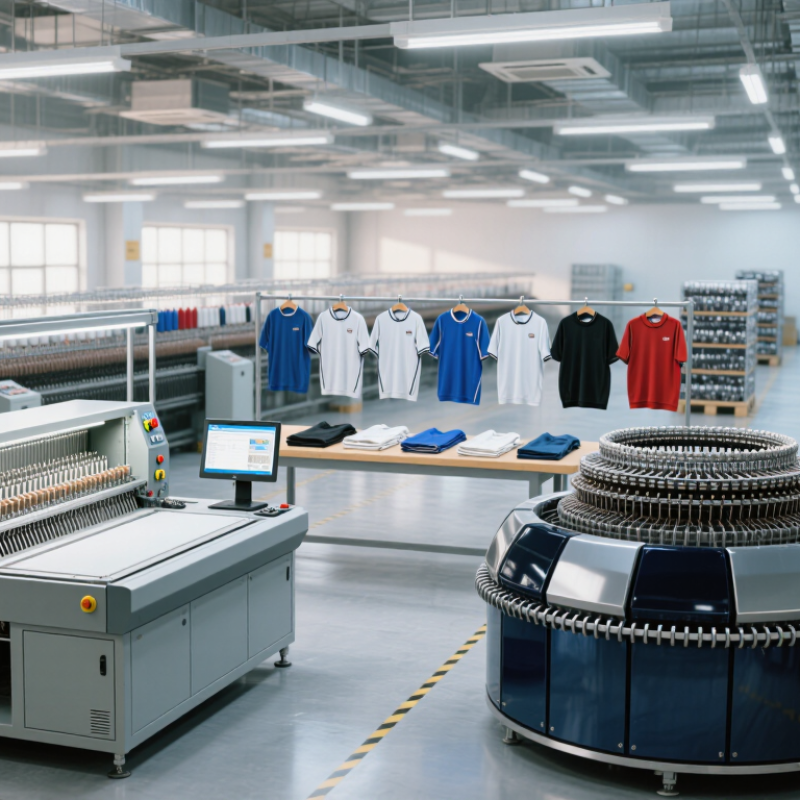
Types of Knitting Machines Made in China
China produces a wide range of knitting machines for different textile applications. The best choice depends on fabric structure, production volume, and operator skill.
Flat knitting machines create shaped panels for sweaters, collars, cuffs, and fashion accessories. They offer precise pattern control and clean edges. Computerized models can store complex designs, but they require careful programming and regular maintenance.
Circular knitting machines produce tubes of fabric for T-shirts, underwear, sportswear, and seamless garments. Single-jersey machines make lighter fabrics, while double-jersey machines create thicker and more stable materials.
Warp knitting machines work with several yarn systems moving lengthwise. They suit lace, mesh, elastic fabrics, and technical textiles. Sock knitting machines focus on small tubular products and often include automatic toe and heel functions. Some Chinese manufacturers also produce specialized machines for gloves, scarves, and narrow fabrics.
From practical equipment evaluations, gauge selection is often overlooked. A fine gauge supports detailed, lightweight fabric, while a coarse gauge handles thicker yarns more efficiently. Check needle availability, software compatibility, spare-part support, and training before purchasing. Ask for sample fabric, not only machine photographs. A machine may run well in a showroom but behave differently with your yarn.
No machine fits every workshop. Chinese equipment can offer strong value, yet quality varies between models and suppliers. Test production speed, stitch consistency, noise, and fabric recovery. That step prevents expensive surprises.
How to Choose the Right Machine for Your Needs
What Is the Best Type of Knitting Machine from China?
How to Choose the Right Machine for Your Needs
Choosing the right knitting machine starts with your product, not its country of origin. A flat-bed machine works well for sweaters, collars, and shaped panels. A circular machine suits tubular fabrics, socks, and continuous production. Computerized models offer precise patterns, but they require training and reliable technical support. Match the machine’s gauge with your yarn. Fine yarn needs a different needle spacing than chunky wool.
Examine practical details before making a decision. Request knitted samples using your actual yarn, not only catalog photos. Check the needle bed, carriage movement, motor noise, and fabric tension. Ask for clear manuals, spare-part availability, installation guidance, and warranty conditions. Confirm voltage and workspace requirements. These details can prevent expensive interruptions. It is easy to focus on speed. That can be a mistake. A faster machine may be unsuitable for a small workshop with limited operators.
Tips: Prepare three yarn samples and test each one. Compare stitch definition, tension, and production time. Ask the supplier to demonstrate pattern changes and basic cleaning. Keep written records of every specification. A low price may look attractive, but unclear service terms can increase the real cost. I would also leave room for doubt. Even a promising test may not reflect months of daily use, so inspect the machine carefully and request references from comparable users.
What Is the Best Type of Knitting Machine from China?
Choosing the right machine depends on your product range, production volume, required automation, and budget. The chart compares common machine types using practical selection criteria on a 1–5 scale, where 5 represents the strongest fit.
How to read the chart: Flat-bed machines are suitable for custom garments and shaped panels, circular machines are stronger for high-volume tubular products, and computerized flat-bed machines offer a balance between design flexibility and automation.
Comparing Machine Quality, Cost, and Production Capacity
What Is the Best Type of Knitting Machine from China?
Choosing the best knitting machine depends on product needs, not country of origin. In production evaluations, I examine fabric samples, machine stability, and operator access. Flat-bed machines suit shaped panels, collars, and detailed patterns. Circular machines usually support faster tubular fabric production. The right choice changes with yarn type, fabric width, and order volume. Fit matters.
Quality begins with frame rigidity, needle precision, and consistent carriage movement. A stable machine reduces dropped stitches and uneven tension during long shifts. However, advanced specifications do not always guarantee reliable performance. Some machines look impressive but require frequent adjustments. Maintenance access matters too. An inexpensive machine can become costly through downtime, spare parts, and training. Ask for test samples using your actual yarn. Small details reveal weaknesses.
Production capacity should be measured through usable output, not advertised speed. A machine rated for high speed may slow down with complex patterns or thick yarn. Record daily production, defect rates, changeover time, and operator workload. For small workshops, flexible settings may create more value than maximum speed. Larger orders require dependable automation, stable power use, and responsive technical support. A faster machine is not always better. I would compare three running samples before purchasing, even if the process delays the decision. The result may disappoint. That is useful evidence.
What to Check Before Buying from a Chinese Manufacturer
Choosing the best knitting machine from China starts with your production needs, not the lowest quotation. A flat knitting machine suits shaped panels and detailed patterns, while a circular machine supports faster tube production. Ask the manufacturer to match the machine gauge, needle arrangement, yarn type, and daily output to your samples. A machine that looks powerful may still produce uneven tension.
Request a live video demonstration. Watch the carriage movement, fabric edges, needle selection, and noise level. Send your own yarn and a demanding pattern for testing. Ask for sample measurements after washing, not only fresh off the machine. Small distortions can become expensive problems.
Inspect the manufacturer’s factory records, quality-control process, and technician training. Request inspection photos, test reports, packing details, and references from similar buyers. Check whether spare needles, boards, sensors, and software support are available. Response time matters.
Read the warranty carefully. Confirm what it covers, who pays shipping, and how remote diagnosis works. Also verify electrical specifications and destination-market requirements with a qualified professional. I have seen buyers focus too heavily on speed. That assumption can fail. A slower machine with stable tension may reduce waste and repairs. Leave every promise in writing, including delivery dates, accessories, training hours, and acceptance standards. Never rely on a polished factory tour alone. One overlooked detail can affect years of production.
 North American Safety Valve Industries, Inc.