Top Tips for Choosing the Right Low Pressure Relief Valve
Choosing the right low pressure relief valve can be a daunting task. Many options are available, each with specific features and functions. Understanding these valves is crucial for safety and efficiency in various applications.
Low pressure relief valves play a vital role in preventing excess pressure build-up. Selecting the correct valve ensures that systems operate within safe limits. A mismatched valve can lead to serious issues. Thus, taking the time to research is essential.
When considering a low pressure relief valve, think about the specific requirements of your system. Look for reliability and durability. Pay attention to pressure ratings and flow capacity. Inadequate understanding can lead to costly mistakes. Engaging with professionals or manufacturers can provide valuable insights. Balancing expert advice with your needs creates a well-informed decision.
Understanding the Basics of Low Pressure Relief Valves
Low pressure relief valves are essential components in various industries. They help maintain system safety by regulating pressure. Understanding their basic functions is critical for proper selection and application. These valves prevent damage by releasing excess pressure. They are designed to operate automatically, ensuring consistent performance under specific conditions.
When selecting a suitable low pressure relief valve, consider the required flow capacity. Calculate the maximum expected flow to ensure the valve can handle it. Take time to review materials used in valve construction. Compatibility with the fluid being handled is crucial. Corrosion-resistant materials may be necessary for specific applications.
Evaluate the environment where the valve will be installed. Temperature, humidity, and potential contaminants can affect valve performance. Look for designs that offer clear indicators for maintenance. Monitoring valve status is vital for overall system health. Keeping these factors in mind can avoid costly mistakes in installations. Each choice should reflect an understanding of the operational context.
Key Factors to Consider When Selecting a Low Pressure Relief Valve
When selecting a low pressure relief valve, several key factors demand attention. One crucial aspect is the pressure rating. Understanding your system's maximum pressure helps ensure safety and functionality. Low pressure relief valves should open under specific conditions; choose one that aligns with your system needs.
Another fundamental element is the material construction. Different materials handle various corrosive environments. Stainless steel or plastic options may be ideal depending on the application. Evaluate where the valve will be installed. Indoor environments differ significantly from outdoor applications in terms of exposure and potential damage.
Installation and maintenance aspects also play a vital role. Improper installation can lead to failures. Regular checks and maintenance help in early detection of potential issues. Lastly, seek advice from industry experts and review empirical data. This practice can enhance reliability and performance in the long run. Balancing technical specifications with practical application will help in choosing the right valve for your needs.
Top Tips for Choosing the Right Low Pressure Relief Valve
Types of Low Pressure Relief Valves and Their Applications
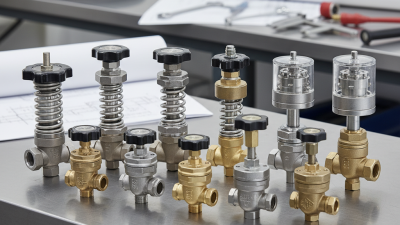
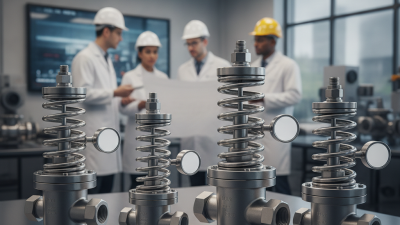
When selecting low pressure relief valves, understanding the various types and their specific applications is essential. The two primary categories are spring-loaded valves and pilot-operated valves. Spring-loaded types are typically simpler and more compact. They are used in applications with less variability in pressure. Conversely, pilot-operated valves are suitable for high flow rates and maintain more precise control, making them ideal for complex systems.
Research from the Global Pressure Relief Valve Market Report indicates significant growth in the demand for these valves. The market is projected to grow at a CAGR of 5.6% through 2028. This growth stems from increasing safety regulations across industries like oil and gas, pharmaceuticals, and water treatment. Each industry requires tailored solutions that align with specific operational pressures and flow dynamics.
It's important to evaluate the environment where the valve will be used. Factors like temperature, corrosion, and potential for clogging can influence performance. Misjudging these variables could lead to system failures. Some engineers overlook compatibility with the fluid type, which can result in premature wear. Understanding these nuances is critical for ensuring long-term efficacy and safety in valve selection.
Top Tips for Choosing the Right Low Pressure Relief Valve - Types of Low Pressure Relief Valves and Their Applications
| Valve Type |
Application |
Operating Pressure Range (psi) |
Material |
Key Features |
| Spring Loaded Relief Valve |
Water Systems |
10 - 50 |
Brass |
Compact design, Adjustable setting |
| Pilot Operated Relief Valve |
Chemical Processing |
15 - 100 |
Stainless Steel |
High accuracy, Low flow resistance |
| Diaphragm Relief Valve |
Pharmaceuticals |
5 - 30 |
PTFE |
Low leakage, Corrosion resistant |
| Ball Type Relief Valve |
Oil and Gas |
20 - 60 |
Aluminum |
Quick response, Robust design |
| Electric Relief Valve |
HVAC Systems |
10 - 40 |
Copper |
Automated, Precise control |
Importance of Valve Materials and Compatibility in Selection
When selecting a low pressure relief valve, the materials used in its construction play a crucial role. Compatibility between the valve material and the fluid it regulates can significantly impact performance. For example, a 2021 report by the Flow Control Industry notes that improper material selection leads to as much as 30% increased maintenance costs. Corrosion resistance is vital for longevity, especially in applications involving harsh chemicals.
Understanding the specific environment where the valve will operate is essential. For instance, if it's exposed to high temperatures, materials like stainless steel or specialized alloys might be necessary. These choices can directly affect the system's safety and efficiency. In fact, a study by the American Society of Mechanical Engineers highlights that nearly 40% of valve failures stem from material incompatibility and poor environmental considerations.
Compatibility must also extend to operational pressures and temperatures. Insufficient data can lead to serious oversights. Many engineers underestimate the potential risk of fatigue and thermal shock, which are often exacerbated by material mismatches. This aspect emphasizes the need for thorough evaluations and reliable data when making selections. Proper documentation and consultation with experts can minimize errors and enhance operational safety.
Common Mistakes to Avoid When Choosing Relief Valves
When selecting low pressure relief valves, avoiding common pitfalls is crucial. A prevalent mistake is underestimating the specifications. Many professionals overlook pressure ratings or fail to account for varying temperature conditions. According to a report by the American Society of Mechanical Engineers, 25% of valve failures stem from improper selection, leading to system inefficiencies and safety hazards.
Another frequent error involves neglecting the valve's application environment. Not considering factors like fluid characteristics can result in premature wear. Research suggests that 30% of relief valve malfunctions are due to corrosion or contamination. It's essential to assess the surrounding environment thoroughly before making a decision. This careful evaluation can enhance reliability and ensure optimal performance over time.
Many users also fail to seek expert guidance. Industry standards can be complex. Working with experienced professionals can minimize the risk of miscalculation. Studies show that 40% of companies that involved specialists in the selection process reported higher operational efficiency. Engaging experts can provide invaluable insights into trends and technology in valve design, ensuring informed choices that aid in maintaining system integrity.
 North American Safety Valve Industries, Inc.