How to Choose the Best Small Cement Mixer for Concrete?
Choosing the right Small Cement Mixer Concrete is vital for any construction project. A suitable mixer saves time and improves the quality of your work. With many options available, it can be overwhelming. Understanding the essential features helps narrow down choices.
Consider the capacity, power, and ease of use. A smaller model may suit DIY projects, while larger jobs require more robust mixers. Check the specifications carefully. Look for reviews and testimonials. They provide insights into the performance and reliability of a model.
Reflect on your needs and budget. A high-priced mixer might not always be the best choice. Sometimes, simplicity and efficiency are more important. Make sure to evaluate your preferences and project requirements before making a decision. Selecting the right small cement mixer concrete can make a significant difference in your results.
Types of Small Cement Mixers for Different Needs
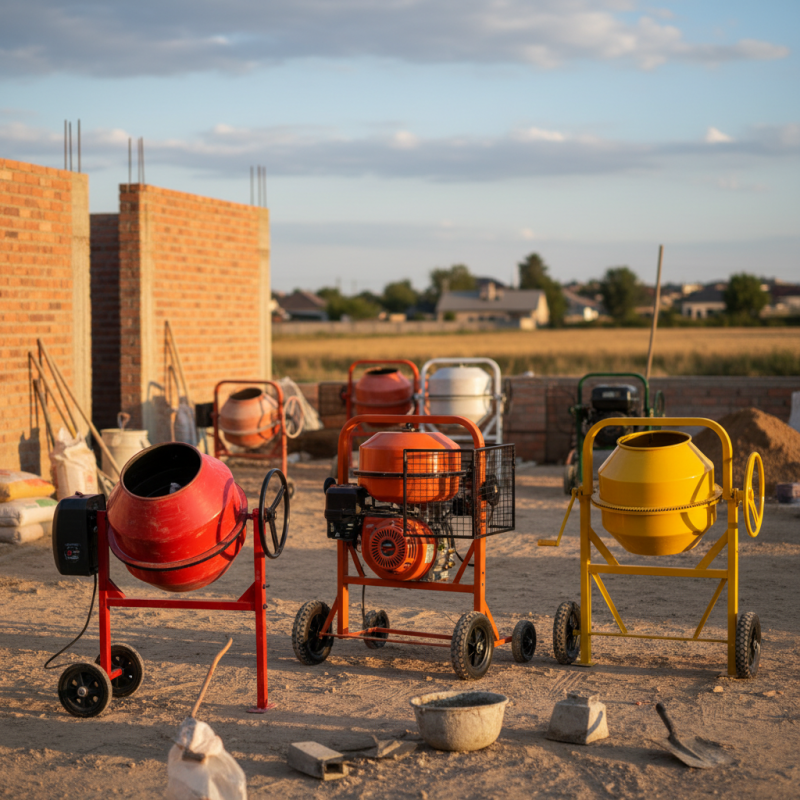
When considering small cement mixers, it's essential to understand the types available. Different projects necessitate varied mixer capacities, designs, and operational methods. For smaller tasks, portable mixers are usually preferred. These are lightweight, easy to transport, and suitable for DIY projects.
For larger tasks, consider towable mixers. They might be bulkier, but they can handle more substantial loads, making them ideal for small construction sites. Their wheels allow for easy movement across different terrains, enhancing mobility.
Tips:
- Assess your project scale. Choose a mixer that suits your average batch size.
- Check power requirements. Electric mixers are quieter and often easier to operate than gas-powered ones.
- Inspect for durability. A sturdy frame and quality materials can ensure longevity, saving money in the long run.
Always remember to reflect on your specific needs. A one-size-fits-all approach may not work. Prioritizing function and reliability over frills can enhance your overall experience. Choose wisely to meet your project requirements effectively.
Key Features to Consider When Choosing a Small Cement Mixer
Choosing a small cement mixer requires careful consideration of several key features. First, focus on the capacity. A mixer that holds between 2 to 3 cubic feet is ideal for small projects. This size allows you to mix enough concrete without overloading. It’s also easier to transport and store. Pay attention to the power of the motor. More power means better performance, especially for denser mixes.
Next, look at the design. A tilting drum mixer can be more efficient. It allows for easier unloading of the concrete. Check the wheels too. Sturdy wheels enhance mobility, making the mixer easier to maneuver around your project site. The material of the drum is also vital. A durable, rust-resistant material will ensure longevity. Less durable options can wear out quickly and may not handle heavy use.
Don’t overlook safety features. A reliable mixer should have secure seals and a stable base. This helps prevent accidents during operation. Balancing features with cost is important. Sometimes, a cheaper mixer might lack essential benefits. Take time to read reviews or seek advice from experienced users. This will help in making a more informed decision. Always reflect on what you truly need for your specific projects.
Assessing Capacity and Mixing Efficiency in Cement Mixers
When choosing a small cement mixer, assessing capacity and mixing efficiency is essential. A small mixer typically holds between 2 to 6 cubic feet of concrete. Understanding these capacities helps determine how much material you can handle at once. For small projects like garden paths or patio slabs, a 3-cubic-foot mixer might be perfect. However, larger tasks may require a bigger mixer for efficiency.
Mixing efficiency is equally crucial. A well-designed mixer ensures that all components blend evenly. Look for mixers with strong motors and durable mixing blades. A mixer that operates at the right speed prevents clumping and ensures a consistent mixture. Some users report that not all models mix materials adequately. Inadequate mixing can lead to weak concrete, compromising your work.
Consider the weight of the mixer too. A lighter model may be easier to move, but it could also tip during operation. Stability matters. Balancing weight and capacity is a challenge for many users. Experimenting with different mixers can be enlightening, revealing the strengths and weaknesses of each model. This practical experience is invaluable for selecting the best mixer for your needs.
Evaluating Portability and Ease of Use for Small Cement Mixers
When choosing a small cement mixer, portability and ease of use are key factors. A compact mixer should be lightweight yet sturdy. According to a recent industry report, mixers weighing under 100 pounds are ideal for residential projects. This weight allows for easy transport without compromising on performance.
Consider the design features that enhance usability. Handle placement and mobility wheels can significantly impact maneuverability. A survey revealed that 75% of users prefer mixers with ergonomic handles. Additionally, a tilting mechanism can facilitate pouring. These features contribute to a smoother workflow.
However, not all small cement mixers meet portability needs. Some are bulky, making them hard to move. Users often report frustration with transporting certain models across uneven surfaces. It's vital to evaluate user reviews and expert opinions before making a decision. A lack of careful assessment can lead to unsatisfactory purchases that hinder project timelines.
How to Choose the Best Small Cement Mixer for Concrete?
| Model | Mixing Capacity | Weight | Portability | Ease of Use |
| Model A | 2 cu ft | 50 lbs | Highly portable | Easy operation with one-button control |
| Model B | 3 cu ft | 70 lbs | Good maneuverability | Simple assembly required |
| Model C | 4 cu ft | 80 lbs | Moderately portable | User-friendly interface |
| Model D | 1.5 cu ft | 40 lbs | Extremely portable | Quick setup and usage |
| Model E | 2.5 cu ft | 65 lbs | Convenient design | Intuitive controls |
Tips for Maintaining Your Small Cement Mixer for Longevity
Maintaining your small cement mixer is essential for its longevity and performance. Regular cleaning is a must. After each use, wash out the drum to prevent concrete buildup. Clogs can lead to uneven mixing, which affects your project. Use a stiff brush to reach stubborn spots, ensuring no residue remains.
Check the blades frequently. Worn blades can hinder mixing efficiency. If you notice them becoming dull, consider replacing them. Lubricate moving parts like the wheels and motor components. This reduces friction and wear. Don’t forget to inspect the electrical connections if your mixer is powered. Loose wires can become a fire hazard.
Finally, store your mixer properly. Keep it in a dry place to prevent rust. Shield it from harsh weather conditions. Even a small amount of moisture can lead to significant damage. By staying proactive with these maintenance tips, you can enhance your mixer’s lifespan and ensure reliable performance for every concrete job.
 North American Safety Valve Industries, Inc.