2026 Best Pipe Cleaning Machine for Efficient Cleaning Solutions?
In 2026, the demand for efficient cleaning solutions in various industries is surging. A key player in this market is the Pipe Cleaning Machine. According to recent research by IBISWorld, the pipe cleaning equipment industry is projected to grow by 5% annually. This growth reflects an increasing need for maintenance and cleaning in sectors like construction, municipal services, and manufacturing.
Pipe blockages can lead to costly downtime. Therefore, investing in quality cleaning machines is crucial. These machines enhance productivity, reducing the need for manual labor. However, not all models deliver the same results. Some may underperform in specific environments, which calls for careful selection and evaluation.
Efficiency is not just about cleaning speed; it's also about effectiveness in various conditions. The right Pipe Cleaning Machine should tackle various debris types, from grease to tree roots. Industry reports suggest that machines with advanced technology, like hydro-jetting and robotic inspections, provide superior performance. This ongoing evolution in technology demands that businesses constantly reassess their pipe cleaning choices. Choosing wisely can save both time and money.
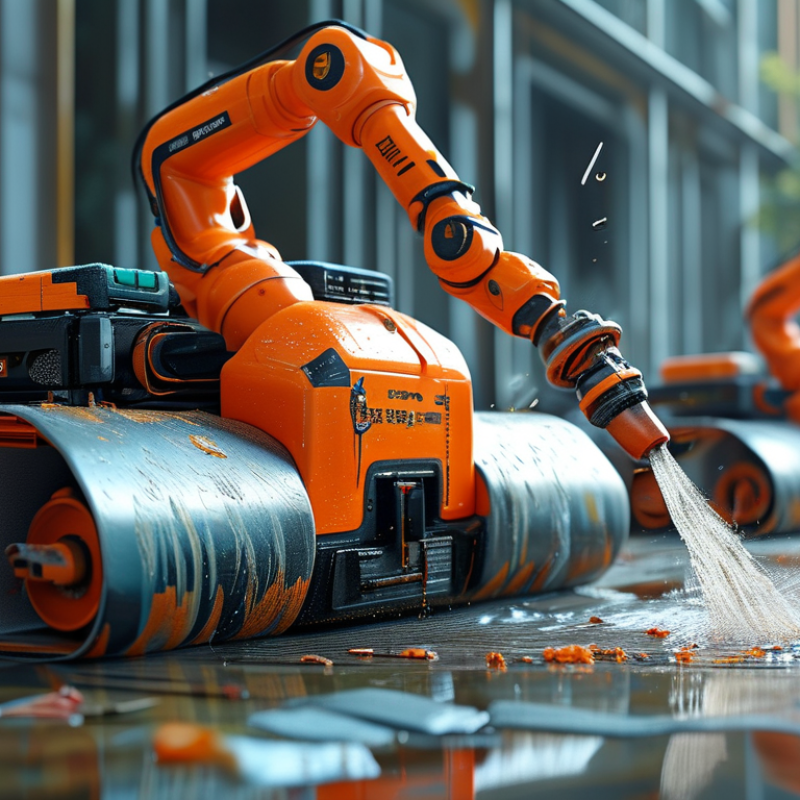
Overview of Pipe Cleaning Machines and Their Importance
Pipe cleaning machines are essential tools for maintaining the health of plumbing systems. They help remove blockages caused by grease, dirt, and other debris from pipes. This results in improved flow and reduced risk of damage. Regular cleaning can extend the lifespan of your plumbing system, making it a crucial maintenance task.
When selecting a pipe cleaning machine, consider the type of job you need to perform. Different machines are designed for various applications. For instance, smaller machines are good for residential use, while larger ones are needed for commercial projects. Examine the features that ensure efficiency and reliability. A machine with adjustable settings can offer more flexibility.
**Tips:** Always follow safety guidelines when operating these machines. Wear protective gear to avoid injuries. Regular maintenance of the machine itself is also important. Check hoses, blades, and motors for wear and tear. Remember that a blocked pipe can lead to bigger issues later. Don’t overlook small blockages. They can escalate quickly if ignored. Investing time in proper pipe maintenance saves you effort in the long run.
Key Features to Look for in a Pipe Cleaning Machine
When selecting a pipe cleaning machine, focus on key features that ensure efficiency and reliability. Powerful motors are essential for tough clogs. A higher RPM typically means faster cleaning. Look for machines with adjustable speed controls to handle various types of blockages. This versatility can save time and effort on different jobs.
Another crucial aspect is the type of cleaning heads available. Flat and curved heads work differently on various surfaces. Having a range of options helps with more comprehensive cleaning. Some machines also offer specialized heads for specific tasks. Check the ease of changing these heads; efficiency is key here.
**Tips:** Always consider machine weight and portability. A heavier unit may offer more power but can be cumbersome. Also, look for models with user-friendly controls. Ease of use minimizes errors during operation. Lastly, consult customer reviews. This feedback can provide insights that specifications alone might not reveal.
2026 Best Pipe Cleaning Machines - Features Comparison
Top Pipe Cleaning Machines of 2026: A Comparative Review
When it comes to selecting effective pipe cleaning machines, understanding their features is crucial. Each model presents unique capabilities for tackling various blockages and debris. For instance, some machines excel in smaller residential pipes. Others are designed for heavy-duty industrial applications. The range is vast, making informed choices essential.
Efficiency is a key factor in pipe cleaning. Many machines utilize advanced technology to enhance performance. For example, hydro-jetting machines employ high-pressure water to blast away clogs. Meanwhile, spinning augers can effectively cut through tough obstructions. Users often find differences in ease of transport and setup. A machine’s weight and portability can impact usability in tight spaces.
However, not all machines are perfect. Some may struggle with certain types of debris, or require extensive maintenance. A thorough understanding of the operational limits can help prevent unfortunate surprises. Reflecting on previous experiences is important. Choosing a machine suited for specific needs is an ongoing learning process. Each cleaning scenario teaches valuable lessons about equipment performance and reliability.
User Experience and Maintenance Tips for Pipe Cleaning Machines
When it comes to maintaining pipe cleaning machines, user experience plays a crucial role. Regular maintenance enhances machine longevity and performance. The right care ensures that clogs and blockages are managed effectively. A dirty machine can become less efficient, leading to more downtime and frustration.
Tips for proper maintenance include regular inspections. Check hoses for wear or cracks. Ensure all connections are secure. Cleaning the machine after each use prevents buildup. A little time spent on maintenance can save significant effort later. Keep the machine lubricated to avoid easily preventable issues.
User feedback often highlights the importance of training. Understanding your machine's features can drastically improve performance. Many operators find that staying updated on operational techniques enhances efficiency. It's essential to manage expectations, as each machine has its limitations. Engaging with fellow users can provide valuable insights and learning opportunities. Embrace the learning curve and invest in your skills.
Future Trends in Pipe Cleaning Technology and Solutions
The future of pipe cleaning technology is evolving rapidly. Innovative solutions aim to enhance efficiency and effectiveness in cleaning systems. According to recent industry reports, automated systems can reduce cleaning time by up to 35%. This is a significant leap from traditional methods, highlighting the importance of adopting new technologies.
Advanced robotics and AI are now being integrated into pipe cleaning machines. These technologies can identify blockages and suggest optimal cleaning paths. Furthermore, smart monitoring systems provide real-time feedback on pipe conditions. A study noted that 70% of professionals believe that smart technology will become standard in the industry within the next five years.
However, these advancements come with challenges. The cost of new technology can be high. Small businesses may struggle to invest in the latest equipment. Additionally, continual training is necessary to keep up with these innovations. Adaptability will be crucial for companies that want to thrive in this changing landscape. The shift toward digital solutions requires reflection on current practices to embrace a more efficient future.
 North American Safety Valve Industries, Inc.