Top 10 Benefits of Using Inline Pressure Relief Valves in Your System
The utilization of inline pressure relief valves in various industrial systems has become increasingly vital due to their ability to enhance safety and efficiency. According to a recent report by the International Pressure Relief Association, the incorporation of these valves can reduce the risk of overpressure incidents by up to 60%, significantly mitigating potential hazards in both manufacturing and processing environments. As industries strive to adhere to stringent safety regulations and optimize operational performance, inline pressure relief valves have emerged as indispensable components in pressure management systems.
In addition to safety improvements, the application of inline pressure relief valves is associated with cost savings and system longevity. Research conducted by the American Society of Mechanical Engineers indicates that systems equipped with these valves experience reduced maintenance costs by approximately 30%, as they can effectively manage pressure fluctuations and prevent equipment damage. The benefits extend to increasing the overall efficiency of operations, as inline pressure relief valves minimize downtime and enhance process reliability. As we delve into the top 10 benefits of using inline pressure relief valves, it is clear that their impact on safety, cost-effectiveness, and operational efficiency cannot be overlooked in modern industrial applications.
Benefits of Inline Pressure Relief Valves in Fluid Systems
Inline pressure relief valves are essential components in fluid systems, providing numerous benefits that enhance both safety and efficiency. One of the primary advantages of these valves is their ability to maintain system pressure within optimal limits. By automatically releasing excess pressure, they help protect equipment from potential damage, thereby extending the lifespan of machinery and reducing the risk of costly downtime.
Another key benefit of inline pressure relief valves is their contribution to fluid flow regulation. By preventing overpressure conditions, these valves ensure a consistent flow rate, which is crucial for processes that rely on precise measurement and control. Furthermore, their compact design allows for easy integration into existing systems without the need for extensive modifications, making them a cost-effective solution for upgrading fluid management.
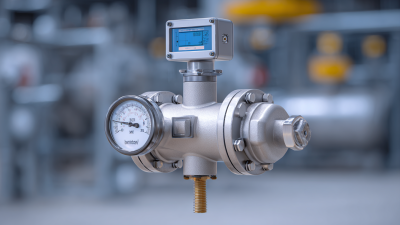
Tips: Always ensure that the inline pressure relief valves are correctly sized for your specific application to optimize performance. Regular maintenance and inspections are also crucial to guarantee reliability and functionality. Consider integrating pressure gauges to monitor system conditions effectively, allowing for quick adjustments if necessary.
Enhanced Safety Features of Inline Pressure Relief Valves
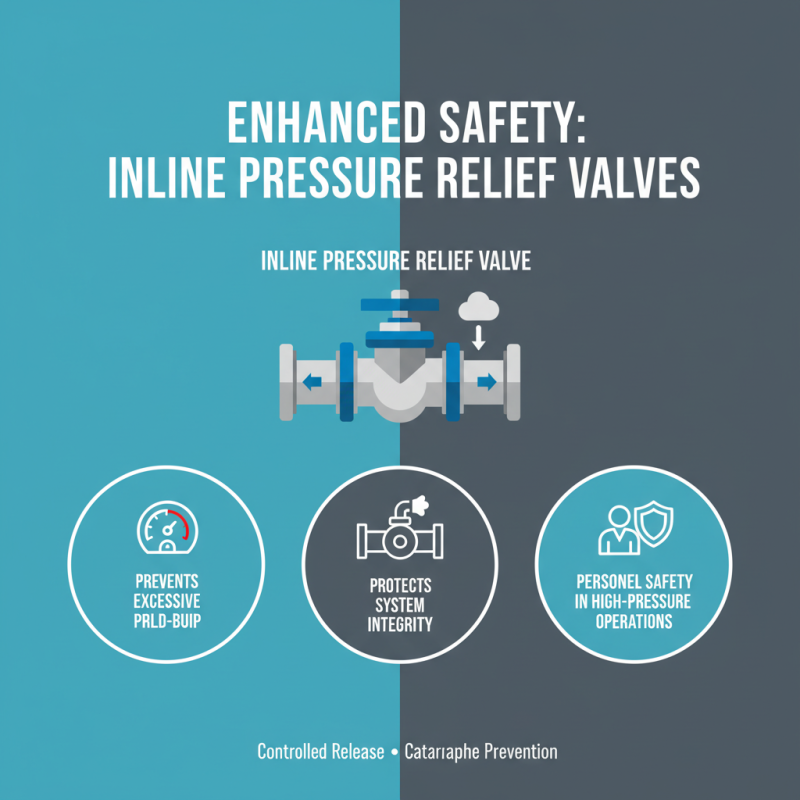
Inline pressure relief valves are essential components in various systems, particularly due to their enhanced safety features. One of the primary safety benefits is their ability to prevent excessive pressure build-up in pipelines. By allowing controlled release of excess pressure, these valves protect not only the operational integrity of the system but also the safety of personnel working in the vicinity. This is crucial in industries where high-pressure operations are standard, as sudden pressure surges can lead to catastrophic failures.
Another significant feature of inline pressure relief valves is their quick response time. In the event of sudden pressure increases, these valves activate almost instantaneously, mitigating the risk of damage or harm. This rapid activation can mean the difference between a minor incident and a major disaster. Furthermore, modern designs incorporate advanced materials and engineering techniques that enhance the reliability and longevity of the valves, ensuring continuous protection over time. This combination of quick action and durability ultimately contributes to a safer working environment and reduces the likelihood of costly downtimes due to pressure-related failures.
Impact on System Efficiency and Reduced Downtime
Inline pressure relief valves play a vital role in optimizing system efficiency and minimizing downtime in various industrial applications. According to a report by the International Society of Automation, equipment failure due to pressure imbalance can lead to an average of 30% increase in operational costs. By implementing inline pressure relief valves, systems can maintain consistent pressure levels, reducing the risk of equipment strain and subsequent malfunctions. This proactive approach not only enhances performance but also extends the lifespan of critical components, contributing to overall system reliability.
Moreover, the integration of these valves is associated with significant reductions in downtime. According to a study conducted by the American Society of Mechanical Engineers, companies that adopted inline pressure relief solutions reported a decrease in unplanned outages by up to 25%. This reduction translates directly into improved productivity and can yield substantial cost savings in maintenance and repair. By ensuring the system operates smoothly within designated pressure ranges, inline pressure relief valves help organizations achieve a more streamlined workflow, allowing for greater flexibility and responsiveness to production demands.
Cost Savings Through Maintenance and System Longevity
Inline pressure relief valves play a crucial role in enhancing the longevity of industrial systems while simultaneously reducing maintenance costs. According to a report by the International Maintenance Institute, regular maintenance can account for up to 30% of a facility’s operational costs. By integrating electronic inline pressure relief valves, organizations can dramatically lower these costs. These valves help in maintaining optimal pressure levels, thus reducing wear and tear on components, which can extend the life of the entire system.
Furthermore, a study by the American Society of Mechanical Engineers (ASME) indicates that systems equipped with advanced pressure relief technologies can reduce unplanned downtime by as much as 40%. This is significant as unplanned downtime not only affects productivity but also incurs substantial repair costs. By preventing overpressure situations, inline pressure relief valves protect critical components, ensuring continuous operations and far fewer interruptions, ultimately leading to significant savings on maintenance and operational expenses over the system's lifecycle.
Industry Standards and Regulatory Compliance for Pressure Relief Systems
In many industries, compliance with industry standards and regulatory requirements is critical when implementing pressure relief systems. These standards ensure the safety and reliability of pressure relief valves, which help protect equipment and personnel from dangerous overpressure situations. Regulatory bodies, such as the American Society of Mechanical Engineers (ASME) and the Occupational Safety and Health Administration (OSHA), set forth guidelines that govern the design, testing, and maintenance of pressure relief devices. Adhering to these standards not only enhances system performance but also mitigates the risk of costly downtime and potential legal liabilities.
Moreover, inline pressure relief valves must meet specific design criteria to ensure optimal functionality under varying operating conditions. This includes factors such as the pressure rating, flow capacity, and response time. Compliance with industry standards like the ASME Boiler and Pressure Vessel Code ensures that the valves can withstand the demands of high-pressure environments while providing reliable performance. Regular inspection and maintenance, as mandated by regulatory frameworks, further ensure that these systems operate effectively over time, thereby maximizing safety and efficiency in operations.
Top 10 Benefits of Using Inline Pressure Relief Valves in Your System
| Benefit |
Description |
Industry Standard |
Regulatory Compliance |
| Safety |
Prevents overpressure and potential hazards. |
ASME Section VIII |
OSHA Standards |
| Reliability |
Ensures consistent performance under varying conditions. |
API 520 |
NFPA 85 |
| Cost-Effective |
Reduces maintenance and operational costs. |
ISO 4126 |
EPA Regulations |
| Versatility |
Suitable for various applications and fluids. |
ANSI B31.3 |
ISO 9001 Compliance |
| Ease of Installation |
Streamlined installation process saves time. |
ASME Section I |
CE Marking |
| Reduced Downtime |
Minimizes system interruptions and maintenance. |
IEC 61508 |
Safety Integrity Level |
| Improved Efficiency |
Enhances system performance and operation. |
API 526 |
Local Regulations |
| Compact Design |
Saves space in tight installations. |
ASME B16.34 |
NACE Compliance |
| Enhanced Monitoring |
Allows for real-time pressure monitoring. |
ISA 75 |
ISO 14001 |
| Environmental Protection |
Reduces the risk of leaks and spills. |
ANSI/ISA 12.27.01 |
RCRA Compliance |
 North American Safety Valve Industries, Inc.