Top 10 Air Pressure Relief Valve Benefits and Functions?
Air pressure relief valves are essential in various industries. They ensure system safety and efficiency. According to the American Society of Mechanical Engineers (ASME), improper pressure management causes numerous industrial accidents annually. The air pressure relief valve plays a critical role in preventing these incidents.
In a study conducted by the National Institute for Occupational Safety and Health (NIOSH), it was found that effective pressure relief significantly reduces the risk of equipment failure. These valves help maintain optimal operating conditions. However, not all systems utilize them correctly. Some industries still neglect the importance of proper installation and maintenance.
Misunderstanding of air pressure relief valves can lead to costly consequences. Research suggests that about 30% of pressure relief systems are not functioning as intended. This neglect can result in overpressure situations, and catastrophic failures can follow. It’s crucial to recognize how these components contribute to reliability and safety in industrial processes.
Overview of Air Pressure Relief Valves and Their Importance
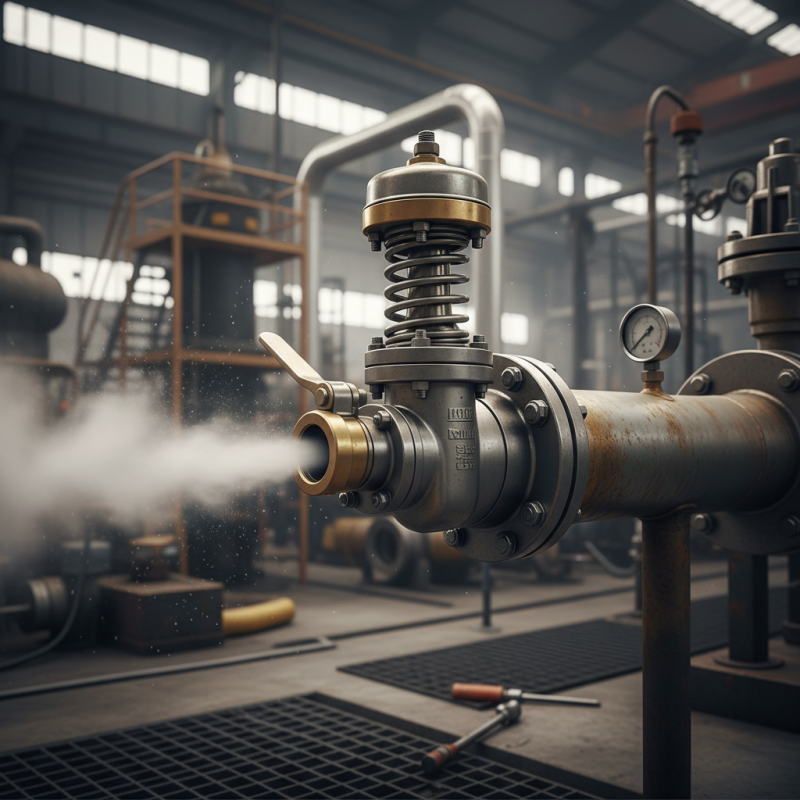
Air pressure relief valves play a crucial role in maintaining operational safety in various industries. These valves prevent overpressure situations by releasing excess air or gas, ensuring systems remain within safe limits. A study by the American Society of Mechanical Engineers (ASME) reported that improper pressure control accounted for nearly 25% of industrial accidents. This highlights the importance of effective ventilation systems.
In many cases, a failure in pressure relief systems can lead to catastrophic events. For instance, chemical plants and gas storage facilities rely heavily on these valves to avoid explosions. The National Fire Protection Association (NFPA) emphasizes that regular maintenance and checks of air pressure relief valves are essential in mitigating such risks. Yet, many facilities neglect these procedures due to budget cuts or oversight.
Efficient air pressure relief valves can also save costs. By preventing leaks and system failures, they reduce downtime and maintenance expenses. According to industry data, properly functioning valves can improve system efficiency by up to 30%. However, users often overlook the need for regular testing, leading to unexpected failures and higher risks. It's crucial to examine both the economic and safety aspects when incorporating these valves into systems.
Key Functions of Air Pressure Relief Valves in Various Applications
Air pressure relief valves play a crucial role in maintaining safety and efficiency in various applications. These valves are designed to release excess pressure from systems, preventing catastrophic failures. In industries like oil and gas, a malfunctioning valve can lead to significant financial losses. According to a recent industry report, 25% of mechanical failures stem from pressure regulation issues.
These valves help in maintaining optimal system performance. By controlling pressure levels, they prevent damage to equipment. Moreover, in HVAC systems, air pressure relief valves are vital. They ensure proper airflow and enhance energy efficiency. Studies show that systems with properly functioning valves can reduce energy costs by up to 15%.
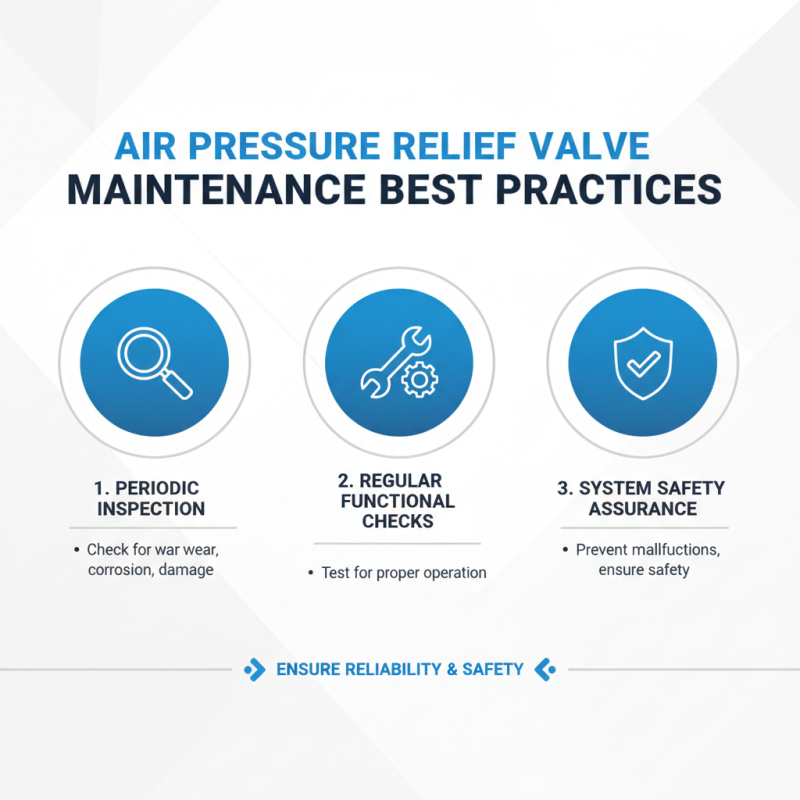
Tips: Regular maintenance is essential. Inspect valves annually for wear and tear. Additionally, ensure that installation complies with industry standards. Always prioritize safety; a small oversight can lead to larger issues down the road. Air pressure relief valves are not just protective devices; they are integral to operational excellence. Good design and correct sizing are key factors in their effectiveness.
Top Benefits of Implementing Air Pressure Relief Valves in Systems
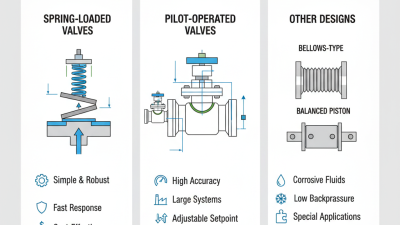
Air pressure relief valves play a crucial role in various systems. They help manage excess pressure and prevent failures. These valves allow safe venting of air, maintaining optimal pressure levels. This can extend the life of machinery and improve operational efficiency.
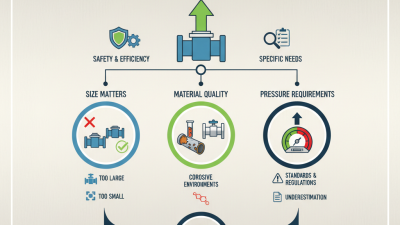
One key benefit is safety. When systems encounter excessive pressure, relief valves activate, protecting equipment and personnel. They reduce the risk of catastrophic failures. However, one must consider the right sizing and installation. Improperly sized valves can lead to system inefficiencies.
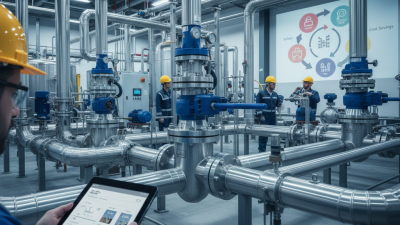
Tips: Regular maintenance is essential. Ensure valves are checked periodically for any sign of wear or malfunction. This can prevent unexpected failures and costly downtime. Moreover, consider training staff on the importance of these valves. Awareness can enhance safety protocols in the workplace.
Moreover, implementing air pressure relief valves can lead to cost savings over time. Preventing damage reduces repair expenses. Systems can run more efficiently, lowering energy costs. Yet, it's crucial to reflect on how these valves are integrated into the system. Mismanagement can undermine their effectiveness.
Top 10 Benefits of Air Pressure Relief Valves
How Air Pressure Relief Valves Enhance Safety and Reliability
Air pressure relief valves are crucial components in many industrial systems. They help maintain optimal pressure levels. By doing so, they prevent potential system failures. These valves ensure safety by releasing excess pressure. This action protects equipment and personnel from hazardous situations.
In many cases, a sudden pressure build-up can lead to catastrophic failures. Air pressure relief valves will automatically vent air when necessary. This feature enhances the reliability of operations. Operators can work with peace of mind, knowing they are protected. The valve’s design allows it to function under various conditions.
However, not all systems are set up adequately to utilize these valves. Some users overlook the importance of regular maintenance. Neglecting upkeep can lead to malfunctioning valves. This situation defeats the purpose of having them. Overall, incorporating air pressure relief valves can significantly improve safety. Yet, understanding their proper installation and maintenance is equally vital.
 North American Safety Valve Industries, Inc.